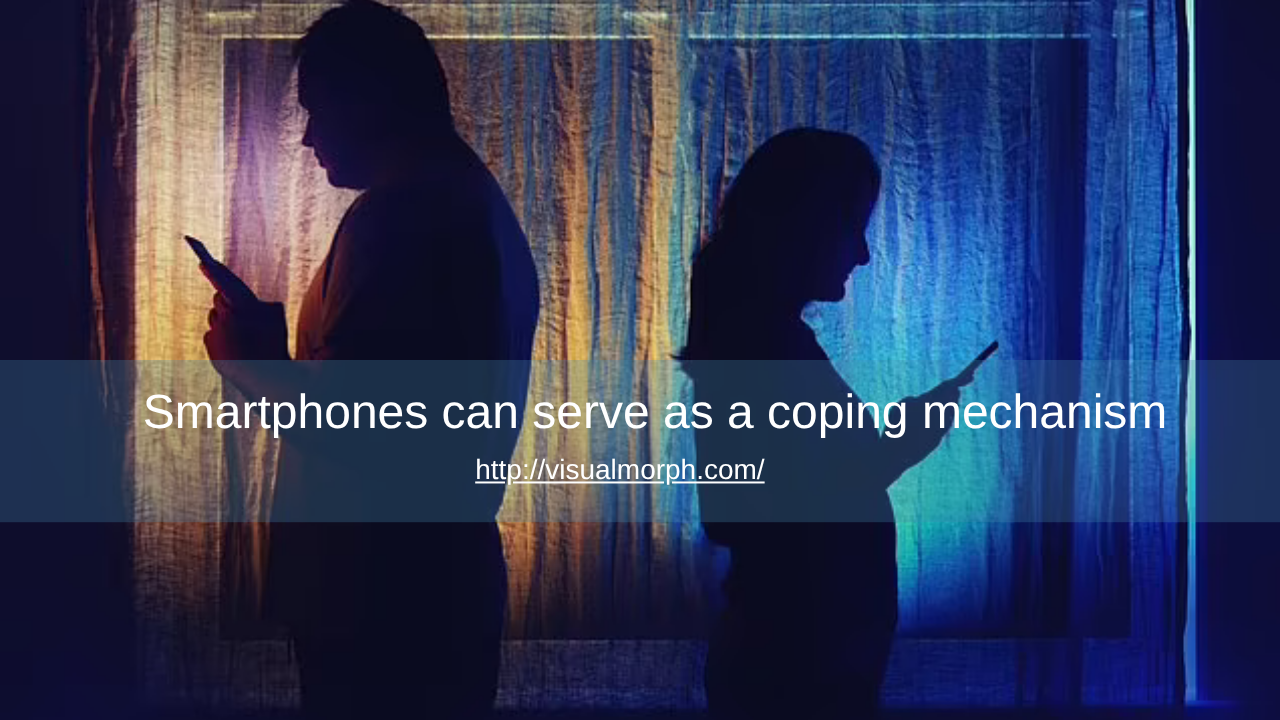
In today’s world, our phones have become constant companions. They wake us up, guide our schedules, and connect us to people near and far. Yet, beneath this digital closeness lies an uncomfortable truth: many of us feel more disconnected than ever. For those navigating addiction recovery or mental health challenges, the constant buzz of notifications and endless social scrolling can quietly undermine one of the most essential parts of healing—authentic human connection.
The Digital Divide Between Presence and Distraction
Smartphones were designed to connect us, but often they do the opposite. Studies show that even the presence of a phone on a table can reduce the depth of a conversation. When our attention is split between the real person in front of us and the virtual world in our hands, emotional intimacy suffers.
In addiction recovery, this divide can be especially harmful. Real connection—with counselors, peers, loved ones, and oneself—is at the core of healing. Technology can easily interrupt this process, pulling focus away from mindfulness, emotional awareness, and the shared experiences that foster recovery.
Visual Morph understands that recovery is not only about abstaining from substances or breaking old patterns—it is about rebuilding relationships and rediscovering connection. When technology becomes another form of avoidance or distraction, it can subtly replace the very relationships that support long-term healing.
When Technology Becomes an Emotional Buffer
For many people in recovery, smartphones can serve as a coping mechanism. A quick scroll through social media can distract from difficult emotions or quiet moments that feel uncomfortable. While this might bring temporary relief, it often deepens feelings of isolation over time.
Instead of learning to sit with emotions, process triggers, or engage meaningfully with others, we may turn to digital validation—likes, messages, or comments—to feel a fleeting sense of connection. Unfortunately, this habit mirrors the same short-term gratification patterns found in addiction.
Rebuilding Authentic Intimacy in a Digital World
Healthy relationships require vulnerability, presence, and empathy—qualities that cannot be fully replicated through screens. Recovery programs that integrate holistic and faith-based approaches, like those at Visual Morph, help individuals reconnect with these qualities. By focusing on the mind, body, and spirit, clients learn how to rebuild trust and emotional closeness both with themselves and others.
Practical ways to reduce technology’s impact on your relationships include:
- Setting digital boundaries: Designate tech-free zones or times, especially during meals or therapy sessions.
- Practicing active listening: Give others your full attention without checking your phone.
- Replacing screen time with real connection: Join group therapy, attend in-person support meetings, or spend time in nature.
- Reflecting on emotional triggers: Notice when you reach for your phone and ask what feeling you might be avoiding.
These simple habits can create space for real connection to thrive again.
Healing Beyond the Screen
Recovery is, at its heart, about returning to connection—with others, with faith, and with oneself. When technology becomes an obstacle to that process, it is worth re-examining our relationship with it. By becoming more intentional about how and when we engage with our devices, we can rebuild the kind of authentic relationships that sustain recovery.
At Visual Morph, the journey to healing goes beyond treating symptoms. It is about nurturing balance, presence, and purpose through compassionate, individualized care. Whether you are seeking inpatient, outpatient, or holistic treatment, our programs are designed to help you reconnect—with life, with others, and with your true self.
If you are ready to strengthen your connections and restore emotional health, reach out to Visual Morph today. True healing begins when we put down the phone and open our hearts to real connection.