Monthly Archives: January 2026

Healing Broken Connections: Reclaiming Relationship Skills in a Tech‑Driven World

In today’s digital age, it is easy to stay connected online while feeling disconnected in real life. Technology offers instant communication and social interaction, but it can also interfere with the skills we need to build trust, intimacy, and meaningful relationships. For individuals in addiction recovery or managing mental health challenges, these disrupted connections can make healing more difficult. Reclaiming relationship skills in a tech-driven world is essential for long-term well-being and emotional resilience.

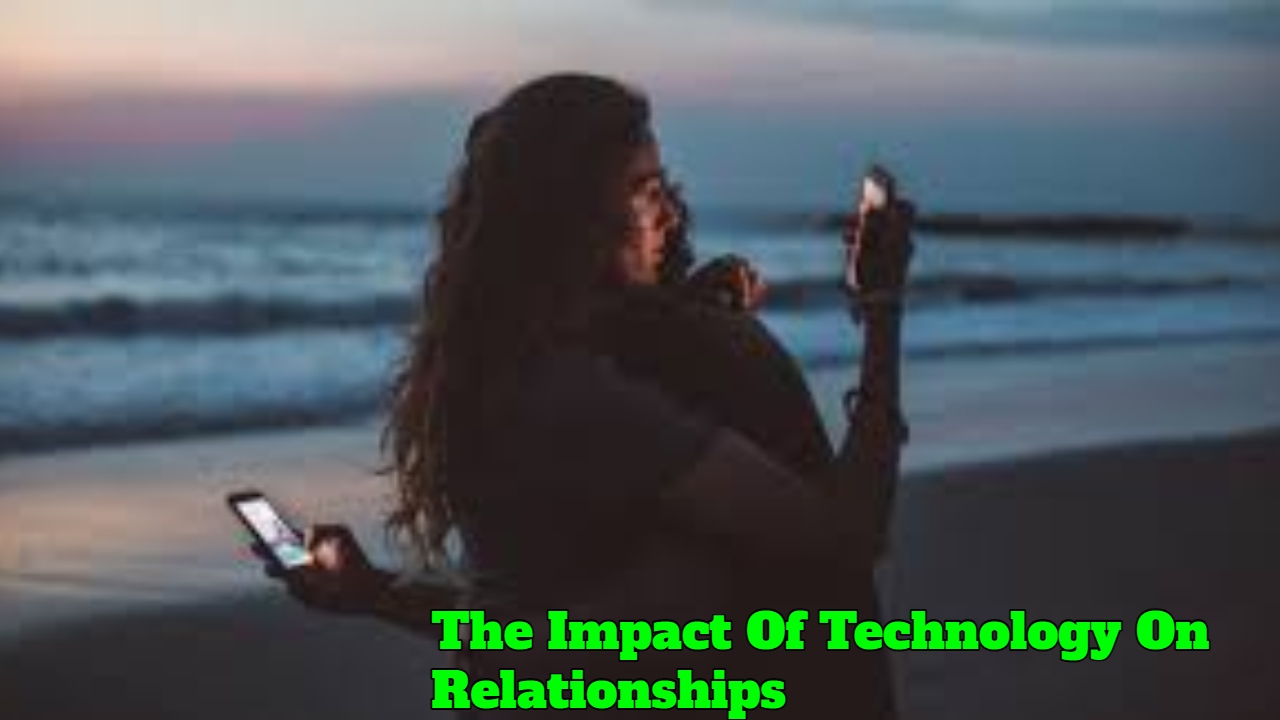
The Impact of Technology on Relationships

Technology is designed to capture attention. Social media, instant messaging, and online communities provide constant stimulation. While these tools can offer support and entertainment, overreliance on them can lead to social isolation and reduce opportunities for authentic connection.

Reduced Face-to-Face Interaction

Digital communication often lacks emotional depth. Texting or commenting online removes nonverbal cues such as tone, facial expressions, and body language. Without these cues, misunderstandings can occur, and emotional bonds may weaken over time.

Avoidance of Vulnerability

For many, screens feel safer than real-life interactions. Technology allows people to control what they share, avoiding difficult conversations or emotional risk. While this can feel protective, it can also limit growth and prevent the development of trust and intimacy, which are vital for recovery.

Emotional Fatigue and Disconnection

Constant digital engagement can contribute to mental fatigue and feelings of loneliness. Even as social media promises connection, excessive screen time can leave individuals feeling more isolated, particularly if they are struggling with addiction or mental health challenges.

Why Relationship Skills Matter in Recovery

Strong interpersonal skills are critical for sustaining recovery. Recovery is not only about abstaining from substances but also about rebuilding trust, improving communication, and cultivating supportive connections. Healthy relationships provide accountability, encouragement, and understanding, all of which are essential for long-term healing.

Setting Boundaries

Reclaiming relationship skills starts with intentional choices. Establishing boundaries with technology helps create space for meaningful interaction. Designating tech-free periods for family time, therapy sessions, or personal reflection allows individuals to focus on authentic connections.

Practicing Mindful Communication

Mindful communication is a cornerstone of relationship rebuilding. Paying full attention during conversations, asking thoughtful questions, and showing empathy encourages trust and emotional closeness. In recovery settings, practicing these skills can reinforce healthy social habits.

Engaging in Structured Support

Programs offered by Visual Morph, including inpatient and outpatient care, provide structured environments for practicing relationship skills. Group therapy, counseling, and holistic activities allow individuals to develop trust and connection in a safe, supportive setting.

Integrating Holistic and Faith-Based Approaches

Holistic and faith-based methods, such as mindfulness, meditation, spiritual guidance, and creative therapies, help individuals reconnect with themselves. Self-awareness and emotional regulation are essential for healthy interactions and foster meaningful bonds with others.

Practical Steps to Rebuild Connections

Rebuilding relationship skills is a gradual process. Practical steps include:

  • Limiting screen time and prioritizing in-person interactions.
  • Participating in group or family therapy sessions.
  • Engaging in shared activities that foster trust and collaboration.
  • Practicing honest self-expression and vulnerability.
  • Seeking guidance from professionals who provide individualized care.

Conclusion

Technology can be a helpful tool, but it cannot replace the depth of real-world relationships. Healing broken connections requires intentional effort, practice, and support. Individuals in recovery benefit from reclaiming trust, communication, and intimacy skills to strengthen relationships that support long-term well-being.

Visual Morph offers compassionate, individualized care that integrates mental health treatment, addiction recovery, and holistic support. If you or a loved one are struggling to maintain meaningful relationships while navigating recovery, reaching out for professional help can be the first step toward rebuilding connection and achieving lasting healing.

When Digital Bonds Fall Short: Can Technology Hurt Our Capacity for Trust and Intimacy?

Technology has changed how we communicate, connect, and seek comfort. Messages arrive instantly, social media offers constant interaction, and entertainment is always within reach. Yet many people feel more isolated than ever. For individuals facing addiction or mental health challenges, this disconnect can be even more painful. While technology can be helpful, overreliance on digital relationships may weaken our ability to build trust and intimacy in real life, both of which are essential for lasting recovery.

Understanding Trust and Intimacy in the Recovery Process

Trust and intimacy are not luxuries in recovery. They are foundations. Healing from addiction and mental health struggles requires safe relationships where honesty, vulnerability, and accountability can grow. These qualities develop through consistent, face-to-face connection over time.

Digital communication often skips these deeper layers. Text messages and online interactions limit emotional cues like tone, facial expression, and body language. As a result, misunderstandings increase and emotional depth can decrease. For someone already struggling with self worth or fear of rejection, digital relationships may feel safer but also less fulfilling.

How Technology Can Interfere With Emotional Connection

Technology itself is not harmful, but the way it is used can shape behavior and emotional health. Many digital platforms are designed to reward quick responses and surface-level engagement. This can condition the brain to seek immediate gratification instead of meaningful connection.

Reduced Emotional Presence

When conversations happen primarily through screens, it becomes easier to avoid difficult emotions. Avoidance may feel protective, but it limits growth. In recovery, learning to sit with discomfort and express emotions openly is critical. Constant digital distraction can delay this process.

Avoidance of Vulnerability

True intimacy requires vulnerability. Online interactions allow people to curate what they share and hide what feels uncomfortable. Over time, this habit can make real-world vulnerability feel overwhelming or unsafe.

Increased Isolation

Ironically, heavy digital engagement can increase loneliness. Scrolling and messaging may replace in-person interaction, leading to fewer opportunities to practice trust and emotional closeness. For individuals in addiction recovery, isolation can increase the risk of relapse and emotional distress.

Rebuilding Trust and Intimacy in a Digital World

Recovery is about progress, not perfection. Rebuilding trust and intimacy is possible with intentional effort and the right support.

Set Healthy Technology Boundaries

Creating limits around screen time helps restore balance. Designating tech-free times during meals, therapy sessions, or family interactions allows space for real connection. These boundaries support emotional presence and reduce avoidance.

Practice Honest Communication

In recovery settings, individuals are encouraged to speak openly about thoughts, emotions, and struggles. Group therapy and individual counseling offer safe environments to practice honesty and rebuild trust with others.

Engage in Structured Support

Visual Morph offers inpatient and outpatient programs that emphasize community, accountability, and personalized care. These settings help individuals reconnect with others through shared experiences and guided support.

Strengthen the Mind Body Spirit Connection

Holistic and faith-based approaches play a powerful role in restoring intimacy. Practices such as mindfulness, prayer, meditation, and reflection help individuals reconnect with themselves. This internal awareness makes it easier to connect authentically with others.

Why Individualized Care Matters

Every person arrives at recovery with a unique history. Some may have used technology to cope with trauma, loneliness, or anxiety. Individualized treatment respects these experiences while gently guiding healthier relationship patterns.

Mental health treatment alongside addiction recovery addresses underlying issues that impact trust, such as depression, anxiety, or unresolved grief. When these concerns are treated together, individuals are better equipped to form secure and meaningful relationships.

Moving Toward Real Connection

Technology will continue to be part of modern life, but it does not have to replace human connection. Recovery is an opportunity to reassess habits, rebuild trust, and rediscover intimacy in healthy ways. With compassionate guidance, individuals can learn to use technology thoughtfully while prioritizing relationships that support healing.

Conclusion

Digital bonds can never fully replace the depth of real-world connection. When technology begins to interfere with trust and intimacy, it may also interfere with recovery. Healing requires presence, honesty, and support from others who understand the journey.

Visual Morph provides compassionate, holistic, and individualized care designed to help individuals rebuild trust, strengthen relationships, and achieve lasting recovery. If you or someone you love is struggling with addiction or mental health challenges, reaching out for support can be the first step toward deeper connection and a healthier future.

From Screens to Support: Rebuilding Human Connection in Recovery and Beyond

In our modern world, screens dominate much of our daily lives. From smartphones to social media, digital interactions have become convenient but often replace deeper, face-to-face connections. For individuals navigating addiction or mental health challenges, this shift can intensify feelings of isolation and make recovery more difficult. Understanding the impact of technology on human relationships and intentionally fostering real-world connections is essential for lasting healing.

How Technology Shapes Social Interaction

Technology is designed to capture attention. Notifications, social media updates, and instant messaging provide frequent bursts of dopamine, the brain chemical associated with pleasure and reward. Over time, these digital interactions can become habitual, drawing attention away from meaningful in-person connections. While technology can provide temporary comfort, it often leaves individuals feeling emotionally disconnected.

For those in recovery, this effect can be particularly significant. Addiction and mental health challenges often already create barriers to trust, communication, and intimacy. When technology dominates social interaction, the ability to build supportive relationships may weaken, slowing the recovery process and impacting overall well-being.

The Importance of Human Connection in Recovery

Healthy relationships are a cornerstone of recovery. Research and clinical experience show that individuals who engage in supportive social networks are more likely to sustain long-term sobriety and mental wellness. Emotional support, accountability, and shared experiences foster resilience and provide a buffer against triggers or stressors. Rebuilding connection in recovery requires intentional effort and practical strategies.

1. Set Technology Boundaries

Start by defining clear boundaries around technology use. Designate specific times for checking social media or messages, and create tech-free spaces in your home. This reduces distractions and allows space for meaningful conversation with loved ones or peers in recovery programs.

2. Engage in Face-to-Face Support

Inpatient and outpatient programs at Visual Morph emphasize community and peer support. Group therapy, counseling sessions, and faith-based programs provide safe environments to practice communication skills, rebuild trust, and connect with others who understand the recovery journey.

3. Practice Mindful Interaction

When interacting with others, focus on being present. Active listening, maintaining eye contact, and showing empathy strengthen bonds and help repair relationships that may have been strained by past addiction or technology overuse.

4. Participate in Shared Activities

Shared experiences like volunteering, exercising, creative projects, or spiritual practices provide opportunities for connection and foster positive memories. These activities encourage collaboration, trust, and a sense of belonging that technology alone cannot provide.

5. Incorporate Holistic and Faith-Based Support

Visual Morph integrates holistic and faith-based approaches, including mindfulness, meditation, and spiritual guidance, to help individuals reconnect with themselves and others. These practices promote emotional balance, reduce anxiety, and encourage meaningful engagement with family, friends, and community.

Moving From Screens to Support

Rebuilding human connection in recovery is not an overnight process. It requires patience, self-awareness, and guidance from compassionate professionals. By limiting technology use, engaging in supportive communities, and practicing mindful interaction, individuals can strengthen relationships that are essential for long-term recovery and emotional wellness.

Conclusion

Technology is a powerful tool, but it cannot replace authentic human connection. For individuals in addiction recovery or managing mental health challenges, fostering real-world relationships is vital. Visual Morph offers individualized, holistic care that supports both personal healing and the rebuilding of meaningful connections. If you or a loved one are struggling to maintain relationships while navigating recovery, reach out to Visual Morph today and take the first step toward stronger bonds and lasting well-being.

Disconnected: How Technology Is Rewiring Our Brains and Undermining Real‑World Relationships

In today’s fast-paced world, technology is everywhere. Smartphones, social media, and constant notifications can make life more convenient, but they are also changing how we connect with others. For individuals struggling with addiction or mental health challenges, these digital connections can sometimes replace real-world relationships, creating a sense of isolation that can undermine recovery. Understanding how technology impacts our brains and our ability to form meaningful relationships is a crucial step in rebuilding connection and promoting long-term healing.

How Technology Shapes the Brain

Our brains are wired for social interaction. Every time we receive a like, comment, or notification, the brain releases dopamine, a chemical associated with pleasure and reward. Over time, this repeated stimulation can make the brain crave instant gratification, similar to the patterns seen in addiction. The more we engage with screens, the more our brains may prioritize digital interactions over face-to-face communication.

This rewiring can have real consequences. People may struggle to maintain emotional intimacy, communicate effectively, or respond to social cues. These challenges are particularly significant for those in addiction recovery, where healthy relationships and support networks play a vital role in sustained healing.

The Connection Between Technology and Relationship Challenges

Excessive technology use can create subtle barriers in personal relationships. Couples may find themselves distracted by screens during conversations, parents may feel disconnected from their children, and friends may substitute virtual interactions for deeper, in-person connections. Over time, these habits can lead to feelings of loneliness, frustration, and emotional distance.

For those managing addiction or mental health issues, these challenges are even more pronounced. Recovery relies on trust, empathy, and accountability, all of which are strengthened through consistent, authentic human connection. When technology interferes, it can hinder progress and exacerbate feelings of isolation.

Strategies for Rebuilding Real-World Connections

Reclaiming meaningful relationships is possible with intentional effort and support. Here are practical steps to strengthen real-world connections:

1. Set Boundaries with Technology

Designate specific times to check emails, social media, or messages. Creating tech-free periods allows for focused interaction with loved ones and reduces the dopamine-driven pull of constant notifications.

2. Practice Mindful Presence

When engaging with others, give your full attention. Active listening, eye contact, and thoughtful responses help rebuild trust and emotional intimacy.

3. Engage in Supportive Communities

Participate in group therapy, support groups, or faith-based programs offered in inpatient or outpatient settings. These spaces foster genuine connection with others who understand the challenges of recovery.

4. Prioritize Shared Activities

Spend time with family or friends in shared activities like cooking, exercising, or creative projects. These experiences strengthen bonds and create lasting positive memories.

5. Seek Professional Guidance

Therapists and counselors can help identify patterns of tech dependency and guide individuals toward healthier relationship habits while supporting addiction recovery.

Integrating Holistic and Faith-Based Approaches

Visual Morph emphasizes holistic and faith-based care to address both the mind and spirit. Techniques such as mindfulness, meditation, and spiritual guidance complement therapy and support the rebuilding of healthy, meaningful relationships. This integrated approach recognizes that recovery is not just about abstaining from substances but also about nurturing emotional and relational well-being.

Conclusion

Technology has changed the way we relate to one another, and excessive digital engagement can interfere with the deep connections essential for recovery. By understanding how technology affects the brain, setting intentional boundaries, and seeking supportive communities, individuals can rebuild the relationships that sustain long-term healing.

If you or a loved one are struggling with addiction or the effects of technology on mental health, reaching out for professional help is a powerful first step. Visual Morph offers compassionate, individualized care in a supportive environment designed to foster both recovery and reconnection. Take the step today toward rebuilding meaningful relationships and reclaiming your life.