Monthly Archives: September 2025

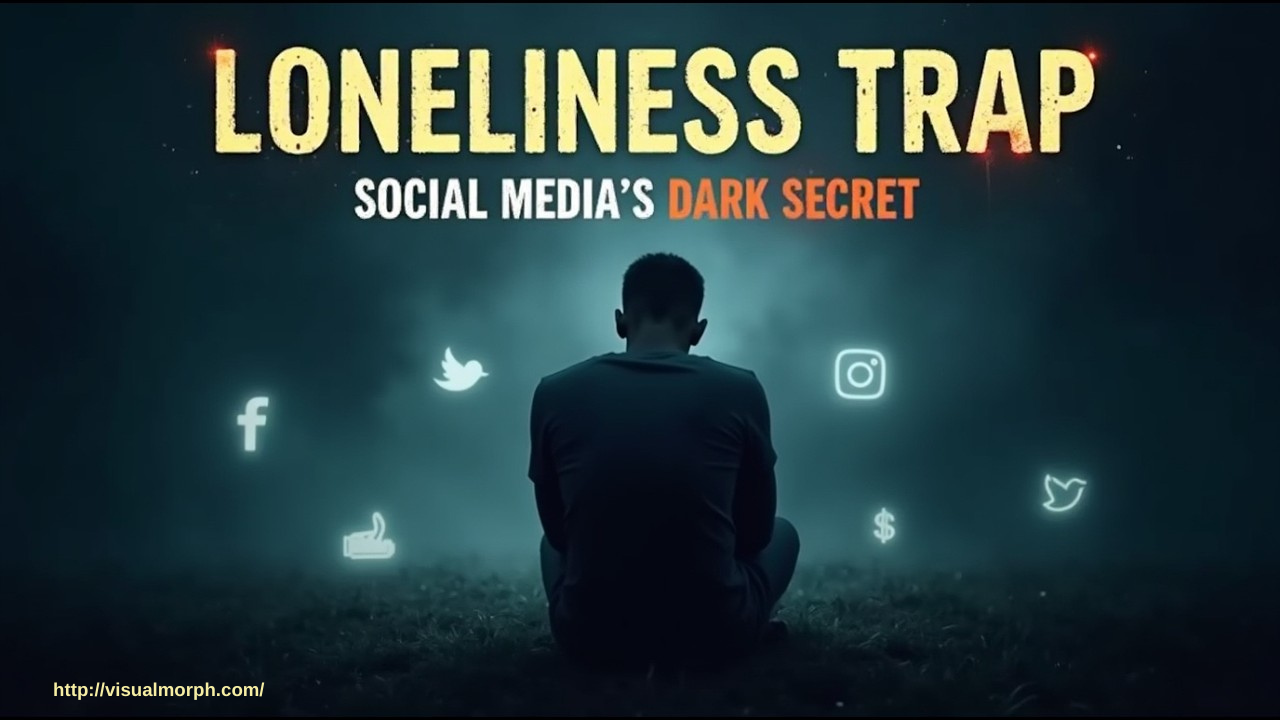
Virtual Closeness, Emotional Distance: Is Social Media Making Us Lonelier?

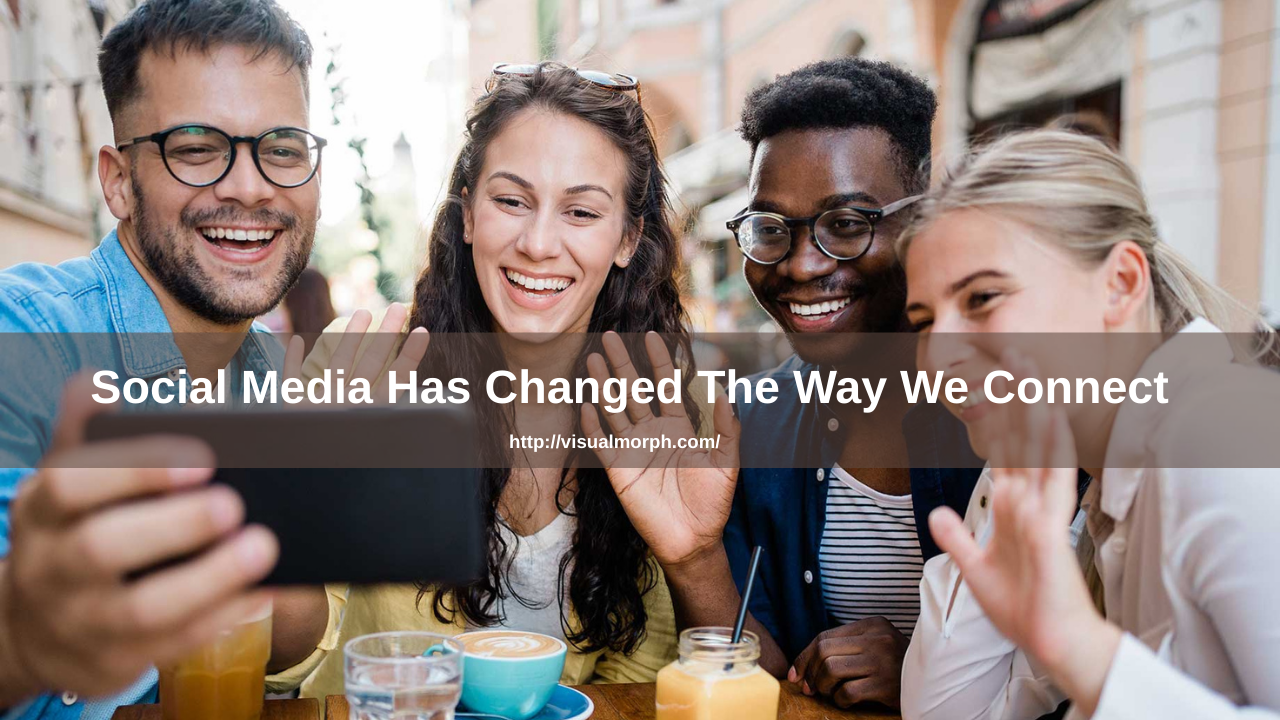
Social media has become the modern meeting place. We share updates, connect with friends, and follow communities that reflect our interests and values. On the surface, this digital closeness appears to bring people together. Yet many individuals report feeling lonelier than ever before. The contradiction is striking: how can we be constantly connected and still feel so isolated? For those in recovery or managing mental health struggles, this question takes on even greater importance.

The Illusion of Connection

Scrolling through feeds can give the impression of being part of something bigger. Each like or comment provides a quick rush of validation, but these moments rarely translate into deep, meaningful support. Over time, the emptiness left behind can intensify feelings of loneliness.

For individuals navigating addiction recovery, this illusion of connection can be dangerous. Healing requires genuine relationships built on trust, accountability, and compassion. Social media interactions often fall short of providing the stability needed to sustain recovery. Instead of fostering connection, they may deepen the sense of being alone in the struggle.

How Social Media Fuels Emotional Distance

While platforms promise community, they often amplify comparison. Seeing only the best parts of others’ lives can create feelings of inadequacy, anxiety, or depression. This pressure is particularly harmful for those already working to rebuild confidence and self-worth in recovery.

The constant pull of notifications can also distract from real-life conversations and relationships. Being physically present but emotionally absent takes a toll on both personal growth and the ability to bond with others. When screens take priority, the depth of face-to-face interaction is lost, and emotional distance grows.

Why Real Connection Matters in Healing

Addiction recovery and mental health treatment are rooted in authentic connection. Supportive relationships encourage honesty, provide accountability, and remind individuals that they are not alone. This type of bond cannot be replaced by digital interactions, no matter how frequent they may seem.

At Visual Morph, we recognize the essential role of genuine relationships in lasting healing. Our inpatient and outpatient programs combine evidence-based therapy with holistic and faith-based approaches. This balance helps individuals not only address the root of addiction but also rebuild their capacity for authentic, meaningful relationships.

Practical Ways to Rebalance Digital Habits

Overcoming the loneliness created by social media does not mean cutting it out entirely. Instead, it is about creating healthier habits that prioritize real connection.

  • Set boundaries on screen time. Give yourself windows of time to unplug and focus on face-to-face interactions.
  • Engage in support groups. Whether in-person or structured through treatment, these spaces offer accountability and true connection.
  • Practice mindful use. Before logging on, ask yourself what you are hoping to gain. Awareness reduces empty scrolling.
  • Strengthen spiritual and holistic practices. Prayer, meditation, and mindful activities ground individuals in presence rather than distraction.

These small but intentional steps can create space for deeper relationships to flourish.

Moving Toward Lasting Recovery and Connection

Social media may bring us closer in a virtual sense, but without balance, it often leaves us emotionally distant. For individuals working to heal from addiction, this disconnection can be a barrier to progress. By choosing authentic support, setting boundaries, and focusing on holistic growth, it is possible to rebuild meaningful connections that last.

At Visual Morph, we are dedicated to helping individuals rediscover the power of true human connection. If you or someone you love is struggling with loneliness, addiction, or the weight of digital distraction, we invite you to reach out. Together, we can move from virtual closeness to genuine healing and connection.

Take the first step today toward a healthier, more connected life.
From Connection to Disconnection: The Social Media Trap No One Talks About

At first glance, social media feels like the ultimate tool for connection. With one tap, we can message a friend, comment on a post, or share a moment of our lives with hundreds of people. Yet behind the constant activity, many are discovering a painful truth: the more we rely on social media for closeness, the more disconnected we often feel. For individuals navigating addiction recovery or mental health challenges, this trap can quietly undermine healing.

The Illusion of Connection

Social platforms promise friendship, community, and belonging. However, the majority of interactions online remain surface-level. A like or a brief comment may provide a momentary sense of validation, but it does not carry the same weight as meaningful human presence. Over time, this digital illusion of connection can leave people feeling empty and unseen.

For those in recovery, this gap between online approval and real support can be especially harmful. Recovery thrives on accountability, trust, and vulnerability. These qualities are difficult to nurture through quick messages or filtered images. What appears like connection on a screen often fails to provide the depth needed to sustain long-term healing.

How Social Media Impacts Mental Health

The trap of social media is not only emotional. It can directly impact mental health. Constant comparison to curated posts often fuels anxiety, depression, and feelings of inadequacy. Studies consistently show that heavy social media use can increase loneliness rather than decrease it.

For individuals in treatment or early recovery, these pressures may heighten cravings, lower self-esteem, and increase the risk of relapse. Instead of feeling supported, many find themselves questioning their worth or isolating further. Recognizing these patterns is an important step in protecting mental well-being.

Why Authentic Connection Matters in Recovery

Healing from addiction is about more than abstaining from substances. It is about rebuilding a life filled with purpose, faith, and meaningful connection. Authentic relationships provide the stability and encouragement that digital interactions cannot match. Sitting with a supportive peer, sharing struggles in group therapy, or leaning into a faith-based community creates the type of connection that fosters real change.

At Visual Morph, we integrate this understanding into every aspect of care. Through inpatient and outpatient programs, holistic healing practices, and faith-based support, we help individuals rediscover the power of genuine human connection. This approach ensures that treatment addresses the whole person: body, mind, and spirit.

Practical Steps to Break Free from the Trap

Escaping the cycle of digital disconnection requires intentional effort. Here are some steps that can help:

  • Set boundaries on screen time. Limiting usage reduces reliance on online validation.
  • Prioritize face-to-face conversations. Even short in-person connections build stronger emotional bonds.
  • Join a support group. Whether faith-based or community-driven, these spaces encourage honesty and accountability.
  • Practice digital mindfulness. Be intentional about how and why you use social media rather than scrolling out of habit.

These habits not only strengthen mental health but also create the foundation for lasting recovery.

Moving Toward Lasting Healing

The social media trap is subtle, but its effects are powerful. What begins as a way to connect can end in deeper feelings of disconnection and isolation. For those seeking freedom from addiction, recognizing this cycle and choosing authentic, in-person support is a critical step forward.

At Visual Morph, we understand that true healing happens in the context of real relationships, holistic care, and compassionate guidance. If you are ready to move beyond digital disconnection and discover meaningful pathways to recovery, we are here to walk with you every step of the way.

Reach out today to begin your journey toward lasting healing and authentic connection.

The Friendship Illusion: Are We Mistaking Online Interaction for Real Relationships?

In today’s digital age, friendships often appear to thrive on screens. With a quick comment, a shared post, or a string of emojis, it can feel like we are maintaining countless relationships. Yet beneath the surface, many people are beginning to question whether these online interactions truly provide the depth of connection we need. For individuals navigating addiction recovery or mental health challenges, this difference is more than a curiosity. It can be the dividing line between genuine healing and lingering loneliness.

The Rise of Digital “Friendships”

Social media has changed the way we connect. A person may have hundreds of friends or followers online but still feel profoundly alone. The illusion of friendship is created by constant notifications, likes, and surface-level conversations. However, these interactions often lack the trust, vulnerability, and presence that form real relationships.

This shift can be especially dangerous for those in recovery. When emotional support is replaced by digital check-ins, individuals may feel unsupported in their hardest moments. While online interactions can provide encouragement, they cannot replace the stability and accountability of authentic human relationships.

Why Genuine Relationships Matter in Recovery

Healing from addiction or mental health struggles requires more than willpower. It requires connection. Face-to-face relationships offer empathy, accountability, and shared experience that virtual connections simply cannot replicate. Sitting with a supportive friend, attending a therapy group, or sharing openly in a faith-based community creates space for real transformation.

At Visual Morph, we believe recovery is not about isolation but about rebuilding trust and rediscovering meaningful relationships. Our holistic approach blends professional treatment with opportunities to strengthen personal connections. This ensures that healing addresses not just the physical aspects of addiction, but the emotional and spiritual dimensions as well.

The Mental Health Cost of Digital Isolation

Online connections can sometimes amplify loneliness instead of easing it. Comparing your daily struggles to others’ carefully curated online lives often leads to feelings of inadequacy. For someone already dealing with depression, anxiety, or addiction, these comparisons can make recovery even harder.

Loneliness is more than uncomfortable. Studies show it directly impacts mental and physical health, increasing the risk of relapse, depression, and other challenges. Recognizing the difference between virtual contact and genuine companionship is essential for building resilience in recovery.

Building Healthier Habits for True Connection

Breaking free from the friendship illusion starts with intentional choices. A few steps that support real connection include:

  • Limiting screen time to reduce dependency on digital validation.
  • Setting aside time each week for in-person conversations with friends or family.
  • Joining support groups or faith-based communities that foster honesty and care.
  • Practicing mindfulness by being fully present during face-to-face interactions.

These habits not only strengthen relationships but also reinforce the foundation of recovery.

Moving Toward Authentic Connection

If you find yourself questioning the depth of your online relationships, you are not alone. Many people are realizing that digital friendships cannot replace the comfort and strength of authentic connection. For those in recovery, building a support network rooted in honesty, faith, and community is one of the most powerful steps toward lasting healing.

At Visual Morph, we are dedicated to guiding individuals through recovery with compassion, holistic care, and personalized treatment. Together, we can move beyond the illusion of digital friendships and rediscover the healing power of true connection.

Reach out today to take the first step toward authentic relationships and lasting recovery.