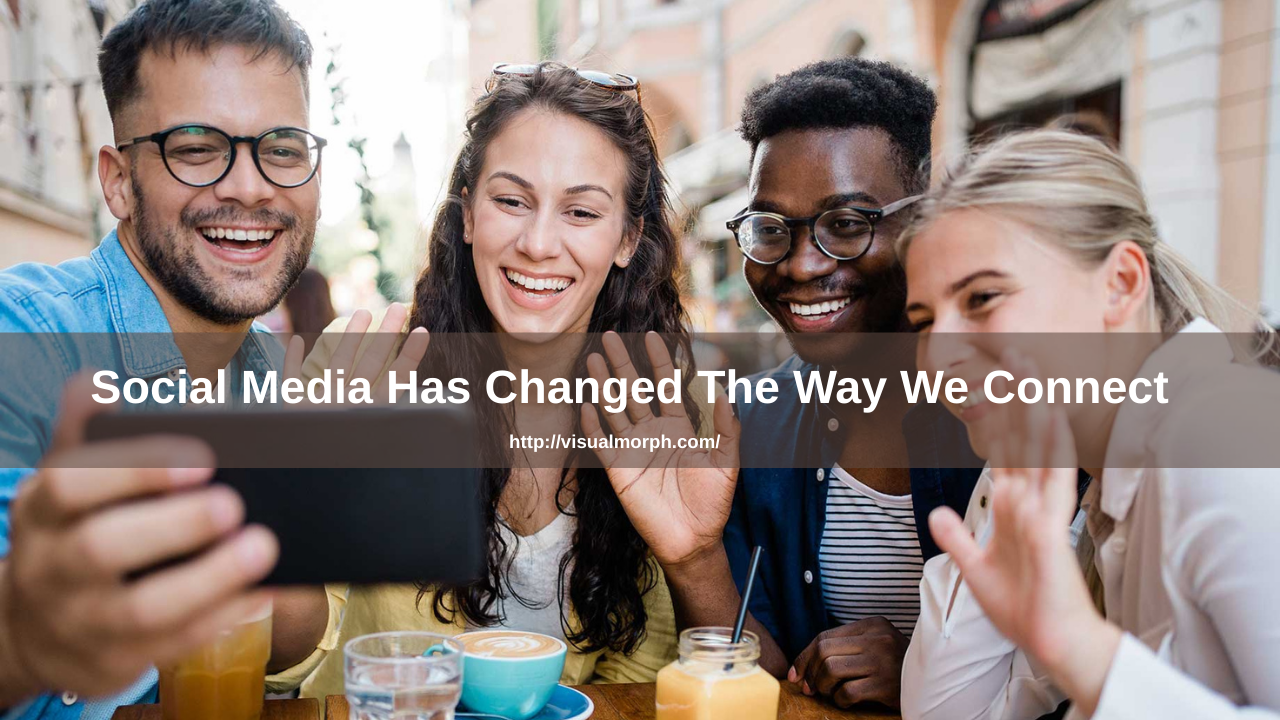
In today’s digital age, friendships often appear to thrive on screens. With a quick comment, a shared post, or a string of emojis, it can feel like we are maintaining countless relationships. Yet beneath the surface, many people are beginning to question whether these online interactions truly provide the depth of connection we need. For individuals navigating addiction recovery or mental health challenges, this difference is more than a curiosity. It can be the dividing line between genuine healing and lingering loneliness.
The Rise of Digital “Friendships”
Social media has changed the way we connect. A person may have hundreds of friends or followers online but still feel profoundly alone. The illusion of friendship is created by constant notifications, likes, and surface-level conversations. However, these interactions often lack the trust, vulnerability, and presence that form real relationships.
This shift can be especially dangerous for those in recovery. When emotional support is replaced by digital check-ins, individuals may feel unsupported in their hardest moments. While online interactions can provide encouragement, they cannot replace the stability and accountability of authentic human relationships.
Why Genuine Relationships Matter in Recovery
Healing from addiction or mental health struggles requires more than willpower. It requires connection. Face-to-face relationships offer empathy, accountability, and shared experience that virtual connections simply cannot replicate. Sitting with a supportive friend, attending a therapy group, or sharing openly in a faith-based community creates space for real transformation.
At Visual Morph, we believe recovery is not about isolation but about rebuilding trust and rediscovering meaningful relationships. Our holistic approach blends professional treatment with opportunities to strengthen personal connections. This ensures that healing addresses not just the physical aspects of addiction, but the emotional and spiritual dimensions as well.
The Mental Health Cost of Digital Isolation
Online connections can sometimes amplify loneliness instead of easing it. Comparing your daily struggles to others’ carefully curated online lives often leads to feelings of inadequacy. For someone already dealing with depression, anxiety, or addiction, these comparisons can make recovery even harder.
Loneliness is more than uncomfortable. Studies show it directly impacts mental and physical health, increasing the risk of relapse, depression, and other challenges. Recognizing the difference between virtual contact and genuine companionship is essential for building resilience in recovery.
Building Healthier Habits for True Connection
Breaking free from the friendship illusion starts with intentional choices. A few steps that support real connection include:
- Limiting screen time to reduce dependency on digital validation.
- Setting aside time each week for in-person conversations with friends or family.
- Joining support groups or faith-based communities that foster honesty and care.
- Practicing mindfulness by being fully present during face-to-face interactions.
These habits not only strengthen relationships but also reinforce the foundation of recovery.
Moving Toward Authentic Connection
If you find yourself questioning the depth of your online relationships, you are not alone. Many people are realizing that digital friendships cannot replace the comfort and strength of authentic connection. For those in recovery, building a support network rooted in honesty, faith, and community is one of the most powerful steps toward lasting healing.
At Visual Morph, we are dedicated to guiding individuals through recovery with compassion, holistic care, and personalized treatment. Together, we can move beyond the illusion of digital friendships and rediscover the healing power of true connection.
Reach out today to take the first step toward authentic relationships and lasting recovery.