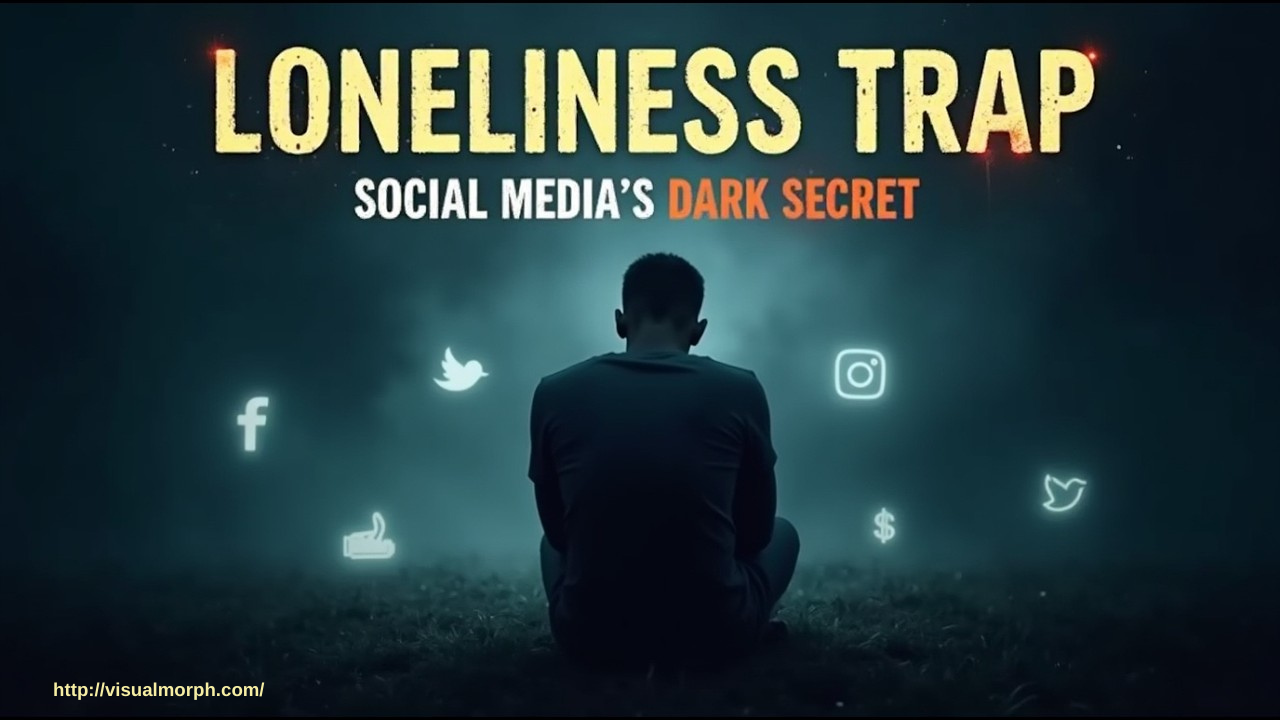
Social media has become the modern meeting place. We share updates, connect with friends, and follow communities that reflect our interests and values. On the surface, this digital closeness appears to bring people together. Yet many individuals report feeling lonelier than ever before. The contradiction is striking: how can we be constantly connected and still feel so isolated? For those in recovery or managing mental health struggles, this question takes on even greater importance.
The Illusion of Connection
Scrolling through feeds can give the impression of being part of something bigger. Each like or comment provides a quick rush of validation, but these moments rarely translate into deep, meaningful support. Over time, the emptiness left behind can intensify feelings of loneliness.
For individuals navigating addiction recovery, this illusion of connection can be dangerous. Healing requires genuine relationships built on trust, accountability, and compassion. Social media interactions often fall short of providing the stability needed to sustain recovery. Instead of fostering connection, they may deepen the sense of being alone in the struggle.
How Social Media Fuels Emotional Distance
While platforms promise community, they often amplify comparison. Seeing only the best parts of others’ lives can create feelings of inadequacy, anxiety, or depression. This pressure is particularly harmful for those already working to rebuild confidence and self-worth in recovery.
The constant pull of notifications can also distract from real-life conversations and relationships. Being physically present but emotionally absent takes a toll on both personal growth and the ability to bond with others. When screens take priority, the depth of face-to-face interaction is lost, and emotional distance grows.
Why Real Connection Matters in Healing
Addiction recovery and mental health treatment are rooted in authentic connection. Supportive relationships encourage honesty, provide accountability, and remind individuals that they are not alone. This type of bond cannot be replaced by digital interactions, no matter how frequent they may seem.
At Visual Morph, we recognize the essential role of genuine relationships in lasting healing. Our inpatient and outpatient programs combine evidence-based therapy with holistic and faith-based approaches. This balance helps individuals not only address the root of addiction but also rebuild their capacity for authentic, meaningful relationships.
Practical Ways to Rebalance Digital Habits
Overcoming the loneliness created by social media does not mean cutting it out entirely. Instead, it is about creating healthier habits that prioritize real connection.
- Set boundaries on screen time. Give yourself windows of time to unplug and focus on face-to-face interactions.
- Engage in support groups. Whether in-person or structured through treatment, these spaces offer accountability and true connection.
- Practice mindful use. Before logging on, ask yourself what you are hoping to gain. Awareness reduces empty scrolling.
- Strengthen spiritual and holistic practices. Prayer, meditation, and mindful activities ground individuals in presence rather than distraction.
These small but intentional steps can create space for deeper relationships to flourish.
Moving Toward Lasting Recovery and Connection
Social media may bring us closer in a virtual sense, but without balance, it often leaves us emotionally distant. For individuals working to heal from addiction, this disconnection can be a barrier to progress. By choosing authentic support, setting boundaries, and focusing on holistic growth, it is possible to rebuild meaningful connections that last.
At Visual Morph, we are dedicated to helping individuals rediscover the power of true human connection. If you or someone you love is struggling with loneliness, addiction, or the weight of digital distraction, we invite you to reach out. Together, we can move from virtual closeness to genuine healing and connection.
Take the first step today toward a healthier, more connected life.