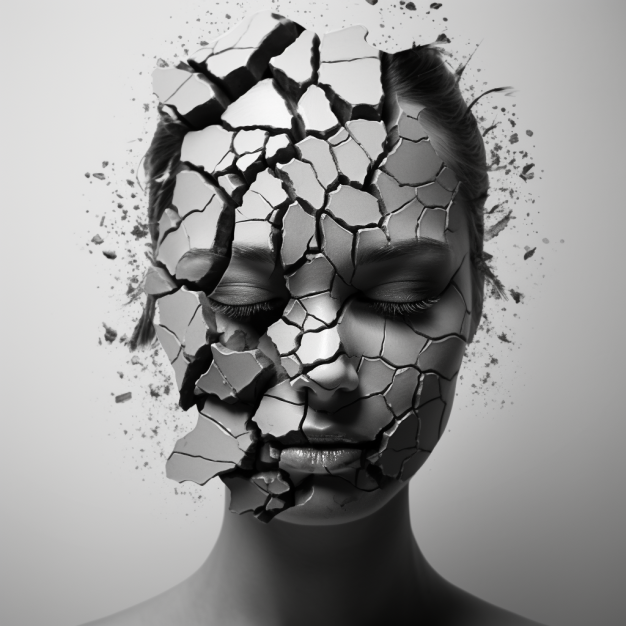
We live in a time of instant gratification. With a tap or swipe, we can summon food, find directions, connect with distant friends, or even start a romantic relationship. Everything is fast, efficient, and optimized—except, it seems, our ability to love deeply and meaningfully. As our digital lives accelerate, many are beginning to feel a delay in something essential: emotional connection. This modern mismatch is what some are calling “the love lag”—when relationships seem to buffer under the weight of our tech-saturated lives.
In theory, technology should bring us closer. Dating apps give us more access to potential partners than ever before, and social media helps us maintain connections across continents. But in practice, these platforms often promote quantity over quality. Swiping through endless profiles can make potential partners feel interchangeable. We may match, chat, and even meet—but something often feels missing. Real connection, it turns out, doesn’t come with a high-speed download. It takes time, attention, and vulnerability—things that are increasingly rare in the fast-paced digital world.
One of the most significant contributors to the love lag is distraction. Notifications, messages, and the pull of our screens mean we’re rarely fully present, even with those we care about most. We may be physically next to our partners but mentally somewhere else—replying to emails, checking social media, or scrolling through content. This partial presence limits the depth of our emotional interactions, turning what could be meaningful moments into fleeting glances.
Another factor is emotional avoidance. Digital communication often allows us to say just enough to stay connected without getting too close. Texting and messaging can be convenient, but they strip away tone, facial expressions, and emotional nuance. This can lead to misunderstandings or a surface-level dynamic where real feelings go unspoken. In some cases, people may even rely on digital interaction to avoid difficult conversations or vulnerability, deepening the emotional lag.
Additionally, the pressure of digital comparison plays a subtle but powerful role. Social media highlights the best moments in others’ relationships—romantic getaways, surprise gifts, picture-perfect smiles. Seeing this daily can distort our expectations and make us question the health or excitement of our own relationships. When we constantly compare our behind-the-scenes to everyone else’s highlight reel, dissatisfaction can creep in, even in strong partnerships.
But despite these challenges, the love lag is not inevitable—it’s a symptom of imbalance, and it can be addressed. Reclaiming connection in a digital age means making conscious choices. We need to prioritize screen-free time, engage in face-to-face conversations, and create rituals of presence in our relationships. That might mean putting phones away during meals, setting digital boundaries, or making time for activities that foster shared experience and emotional closeness.
Ultimately, love doesn’t run on Wi-Fi. It’s cultivated through effort, empathy, and patience. In a world obsessed with speed and efficiency, the antidote to the love lag is slowing down and tuning in. Because real love isn’t instant—it’s intentional. And no matter how fast our technology becomes, some things are still worth waiting—and working—for.