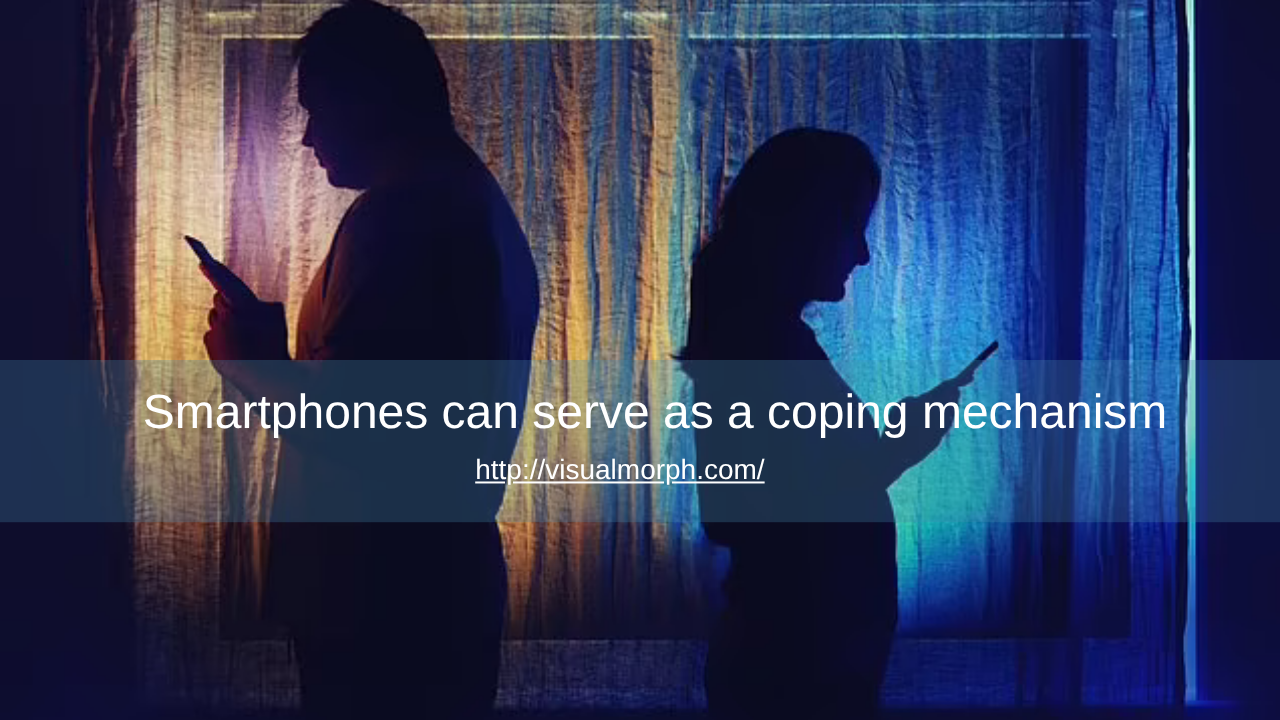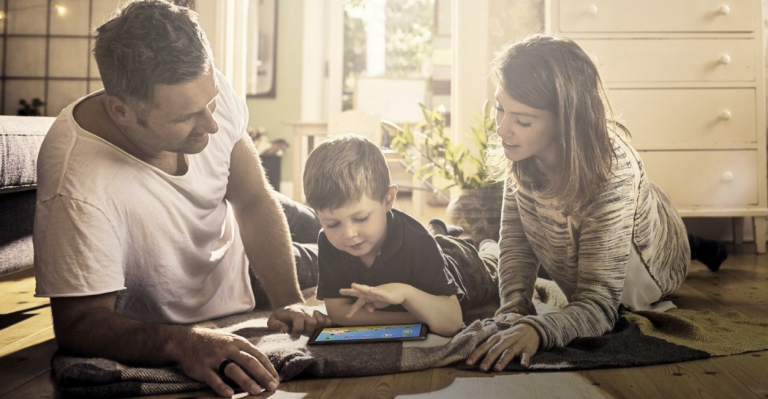
In our modern world, screens dominate much of our daily lives. From smartphones to social media, digital interactions have become convenient but often replace deeper, face-to-face connections. For individuals navigating addiction or mental health challenges, this shift can intensify feelings of isolation and make recovery more difficult. Understanding the impact of technology on human relationships and intentionally fostering real-world connections is essential for lasting healing.
How Technology Shapes Social Interaction
Technology is designed to capture attention. Notifications, social media updates, and instant messaging provide frequent bursts of dopamine, the brain chemical associated with pleasure and reward. Over time, these digital interactions can become habitual, drawing attention away from meaningful in-person connections. While technology can provide temporary comfort, it often leaves individuals feeling emotionally disconnected.
For those in recovery, this effect can be particularly significant. Addiction and mental health challenges often already create barriers to trust, communication, and intimacy. When technology dominates social interaction, the ability to build supportive relationships may weaken, slowing the recovery process and impacting overall well-being.
The Importance of Human Connection in Recovery
Healthy relationships are a cornerstone of recovery. Research and clinical experience show that individuals who engage in supportive social networks are more likely to sustain long-term sobriety and mental wellness. Emotional support, accountability, and shared experiences foster resilience and provide a buffer against triggers or stressors. Rebuilding connection in recovery requires intentional effort and practical strategies.
1. Set Technology Boundaries
Start by defining clear boundaries around technology use. Designate specific times for checking social media or messages, and create tech-free spaces in your home. This reduces distractions and allows space for meaningful conversation with loved ones or peers in recovery programs.
2. Engage in Face-to-Face Support
Inpatient and outpatient programs at Visual Morph emphasize community and peer support. Group therapy, counseling sessions, and faith-based programs provide safe environments to practice communication skills, rebuild trust, and connect with others who understand the recovery journey.
3. Practice Mindful Interaction
When interacting with others, focus on being present. Active listening, maintaining eye contact, and showing empathy strengthen bonds and help repair relationships that may have been strained by past addiction or technology overuse.
4. Participate in Shared Activities
Shared experiences like volunteering, exercising, creative projects, or spiritual practices provide opportunities for connection and foster positive memories. These activities encourage collaboration, trust, and a sense of belonging that technology alone cannot provide.
5. Incorporate Holistic and Faith-Based Support
Visual Morph integrates holistic and faith-based approaches, including mindfulness, meditation, and spiritual guidance, to help individuals reconnect with themselves and others. These practices promote emotional balance, reduce anxiety, and encourage meaningful engagement with family, friends, and community.
Moving From Screens to Support
Rebuilding human connection in recovery is not an overnight process. It requires patience, self-awareness, and guidance from compassionate professionals. By limiting technology use, engaging in supportive communities, and practicing mindful interaction, individuals can strengthen relationships that are essential for long-term recovery and emotional wellness.
Conclusion
Technology is a powerful tool, but it cannot replace authentic human connection. For individuals in addiction recovery or managing mental health challenges, fostering real-world relationships is vital. Visual Morph offers individualized, holistic care that supports both personal healing and the rebuilding of meaningful connections. If you or a loved one are struggling to maintain relationships while navigating recovery, reach out to Visual Morph today and take the first step toward stronger bonds and lasting well-being.