All posts by Temp35

Networked but Isolated: Unpacking the Loneliness Behind Our Online Lives

We live in an age of constant connection. Messages arrive instantly, notifications keep us engaged, and social media allows us to share every moment with the world. Yet, beneath the surface of this hyperconnected existence, many people feel increasingly lonely and unseen. This paradox of being “networked but isolated” reflects a growing emotional gap between our digital presence and our real lives. For individuals navigating addiction recovery or mental health challenges, this disconnection can become a barrier to healing and genuine well-being.

The Digital Illusion of Connection

Online networks give the impression of closeness. We can have hundreds of friends, followers, and daily interactions. But digital communication often lacks the depth of face-to-face relationships. The quick pace of online exchanges leaves little room for vulnerability, empathy, or understanding—qualities essential to authentic connection.

For those in recovery, this can be especially damaging. Addiction often stems from pain, isolation, or emotional voids that require human connection to heal. When online interactions replace real conversations, the recovery process can feel incomplete. What looks like community on a screen may not provide the accountability or compassion needed to sustain long-term healing.

How Technology Amplifies Loneliness

The Comparison Trap

Social media encourages constant comparison. Seeing carefully curated images of others’ lives can make people feel left out or inadequate. This comparison can intensify feelings of loneliness, anxiety, and depression, particularly for those already struggling with mental health issues.

Distraction from Real-Life Relationships

Notifications, endless scrolling, and online engagement can easily consume hours of the day. As digital time increases, the quality of in-person relationships often decreases. This distraction limits opportunities for genuine emotional intimacy and makes it harder to build trust and presence—two essential pillars of recovery.

The False Comfort of the Feed

Online spaces can give the illusion of support. A like or comment may feel like connection, but it rarely provides the comfort or encouragement that face-to-face relationships offer. Over time, this gap between perceived and real connection can leave individuals feeling emptier than before.

Reclaiming Real Connection in Recovery

Healing from addiction and emotional struggles requires rebuilding trust, community, and self-awareness. True recovery thrives in relationships grounded in honesty and empathy, not algorithms.

At Visual Morph, our approach centers on restoring these authentic bonds. Through inpatient and outpatient programs, faith-based care, and holistic therapies, individuals are guided toward connection that heals rather than distracts. Group therapy, mindfulness practices, and one-on-one counseling help clients rebuild emotional depth and rediscover the strength found in genuine human connection.

Practical Ways to Reconnect Beyond the Screen

  • Limit social media use. Designate tech-free times or spaces to reconnect with yourself and others.
  • Engage in supportive communities. Join recovery groups or faith-based circles that encourage vulnerability and shared growth.
  • Prioritize presence. Focus on listening deeply and engaging fully in real-world interactions.
  • Incorporate holistic practices. Meditation, journaling, and outdoor activities help ground the mind and strengthen emotional balance.

These steps create space for emotional clarity and help individuals replace digital noise with meaningful experiences.

Moving Toward Authentic Healing

Being constantly connected online does not guarantee emotional closeness. In fact, for many, it deepens feelings of loneliness and isolation. Real healing happens when we step away from the digital noise and move toward genuine relationships that offer compassion, accountability, and faith-driven purpose.

At Visual Morph, we believe that recovery is not only about overcoming addiction but about rediscovering the beauty of authentic connection—with yourself, others, and your spiritual foundation. If you or someone you love feels trapped in cycles of isolation or digital distraction, help is available.

Reach out today to begin the journey toward real connection, inner peace, and lasting recovery.
Echoes in the Feed: Why More Digital Interaction Means Less Emotional Intimacy

In today’s world, social media promises connection at our fingertips. We like, comment, and message constantly, convinced that these digital interactions keep us close to friends, family, and peers. Yet despite the volume of online communication, many people feel a growing sense of emotional distance. The more we interact online, the less we may feel truly seen or understood. For individuals navigating addiction recovery or mental health challenges, this lack of intimacy can be particularly challenging.

The Paradox of Digital Connection

Social media creates the illusion of closeness. A series of likes or a flurry of comments can make us feel involved in someone’s life, even if we rarely engage in meaningful conversation. Over time, these surface-level interactions can replace opportunities for authentic engagement, leaving relationships hollow.

For those in recovery, this is a significant concern. Healing from addiction or mental health struggles relies on trust, accountability, and vulnerability. When digital interactions take the place of in-person connection, individuals may feel unsupported, isolated, or misunderstood—conditions that can undermine recovery efforts.

How Social Media Influences Emotional Intimacy

Constant Comparison and Emotional Strain

Scrolling through curated feeds often invites comparison. Highlight reels of other people’s lives can unintentionally trigger feelings of inadequacy, anxiety, or low self-esteem. These emotional pressures are amplified in individuals who are actively managing recovery, creating additional mental and emotional strain.

Distraction from Meaningful Engagement

Social media is designed to keep users engaged. Notifications, endless content, and algorithm-driven suggestions pull attention away from real-life interactions. Being physically present but mentally absorbed in a feed limits the depth of emotional exchange and reduces opportunities to nurture relationships.

The Replacement Effect

Digital communication often replaces, rather than supplements, real-world contact. A brief message may feel like support, but it rarely conveys the empathy, tone, and vulnerability that face-to-face conversation provides. Over time, relationships risk becoming transactional rather than emotionally intimate.

Why Emotional Intimacy Is Vital in Recovery

Recovery from addiction and mental health challenges is deeply relational. Authentic bonds provide encouragement, accountability, and reassurance during difficult moments. They create space to share vulnerabilities without judgment and foster resilience that cannot be replicated online.

At Visual Morph, we recognize the importance of rebuilding these connections. Through inpatient and outpatient programs, holistic therapies, and faith-based support, clients learn to strengthen real-life relationships while balancing healthy digital habits. This comprehensive approach ensures that emotional intimacy is restored alongside personal growth and spiritual well-being.

Practical Strategies to Foster True Connection

  • Set intentional boundaries with technology. Limit social media usage and prioritize face-to-face interaction.
  • Engage in community and peer support. Attend group therapy sessions or faith-based gatherings to cultivate real connection.
  • Practice mindful communication. Be fully present during conversations, avoiding distractions from devices.
  • Incorporate holistic practices. Meditation, journaling, and creative expression deepen emotional awareness and strengthen bonds with others.

Moving Beyond the Feed

Digital interaction can supplement connection, but it should not replace authentic relationships. Understanding the impact of excessive online engagement is the first step in reclaiming emotional intimacy. For individuals in recovery, learning to balance virtual communication with meaningful real-world relationships can transform healing.

At Visual Morph, we guide individuals toward holistic recovery that nurtures the mind, body, and spirit. By focusing on authentic connection and personalized care, we help clients rebuild relationships and discover the support they need to thrive.

If you or a loved one is struggling with emotional distance, loneliness, or recovery challenges, reach out today. True connection is possible, and healing can start now.

The Silent Scroll: How Social Media Fuels Loneliness in a Hyperconnected World

In today’s digital age, scrolling through social media has become second nature. We check updates, like posts, and comment on photos as if these small gestures connect us to others. Yet, behind the constant stream of notifications, many people quietly struggle with feelings of emptiness and isolation. The irony is clear: in a world more connected than ever before, loneliness is on the rise. For those battling addiction or mental health challenges, this silent scroll can deepen struggles and make recovery even harder.

The Illusion of Connection

Social media offers the promise of connection, but what it delivers often lacks depth. A quick like or emoji cannot replace a heartfelt conversation or meaningful support. Over time, these shallow interactions can leave people feeling more disconnected than before.

For individuals in recovery, this illusion can be harmful. Addiction recovery requires honesty, accountability, and real human connection. Digital interactions, though frequent, rarely provide the emotional grounding necessary for healing. Instead, they can create a false sense of support that masks underlying loneliness.

Social Media and Mental Health

While social platforms can offer moments of encouragement, they also contribute to emotional strain. Comparing one’s life to the highlight reels of others often leads to feelings of inadequacy, anxiety, or depression. These struggles are especially common among individuals already working to rebuild confidence and self-worth.

The addictive nature of endless scrolling also keeps many trapped in cycles of distraction. Hours spent online take away from time that could be invested in face-to-face conversations, self-care, or treatment. This constant digital engagement may provide temporary escape, but it often leaves people lonelier in the long run.

Why Genuine Relationships Matter in Recovery

Healing from addiction and managing mental health challenges require more than temporary distraction. True recovery grows in the context of authentic connection. Face-to-face support builds trust, fosters accountability, and creates space for vulnerability.

At Visual Morph, we emphasize the importance of these genuine relationships. Through inpatient and outpatient programs, holistic care, and faith-based support, individuals are guided to reconnect not only with others but also with themselves and their spiritual foundation. This whole-person approach helps create lasting change beyond the digital surface.

Practical Steps to Break Free from the Scroll

Finding balance in a hyperconnected world takes intentional effort. Here are a few ways to create healthier digital habits:

  • Limit screen time. Set daily boundaries for social media use to prevent endless scrolling.
  • Be mindful of triggers. Notice when comparison or negative feelings arise and step away from the screen.
  • Prioritize face-to-face interactions. Choose in-person conversations whenever possible, even for small check-ins.
  • Engage in recovery-focused communities. Support groups, therapy sessions, and faith-based gatherings provide the connection social media often lacks.
  • Incorporate holistic practices. Mindfulness, exercise, and prayer help ground individuals in real-life experiences instead of digital distractions.

These practices not only reduce loneliness but also strengthen the foundations of recovery.

Moving Beyond Digital Disconnection

The silent scroll may feel harmless, but it has a powerful impact on mental health and recovery. While social media offers the illusion of closeness, it often leaves individuals more isolated than before. Choosing to step back, set boundaries, and seek authentic relationships can transform loneliness into genuine connection.

At Visual Morph, we understand that recovery is not about avoiding life but fully embracing it with the right tools and support. If you or someone you love is feeling trapped in cycles of loneliness and distraction, know that help is available.

Reach out today and take the first step toward true connection, healing, and hope.

Virtual Closeness, Emotional Distance: Is Social Media Making Us Lonelier?

Social media has become the modern meeting place. We share updates, connect with friends, and follow communities that reflect our interests and values. On the surface, this digital closeness appears to bring people together. Yet many individuals report feeling lonelier than ever before. The contradiction is striking: how can we be constantly connected and still feel so isolated? For those in recovery or managing mental health struggles, this question takes on even greater importance.

The Illusion of Connection

Scrolling through feeds can give the impression of being part of something bigger. Each like or comment provides a quick rush of validation, but these moments rarely translate into deep, meaningful support. Over time, the emptiness left behind can intensify feelings of loneliness.

For individuals navigating addiction recovery, this illusion of connection can be dangerous. Healing requires genuine relationships built on trust, accountability, and compassion. Social media interactions often fall short of providing the stability needed to sustain recovery. Instead of fostering connection, they may deepen the sense of being alone in the struggle.

How Social Media Fuels Emotional Distance

While platforms promise community, they often amplify comparison. Seeing only the best parts of others’ lives can create feelings of inadequacy, anxiety, or depression. This pressure is particularly harmful for those already working to rebuild confidence and self-worth in recovery.

The constant pull of notifications can also distract from real-life conversations and relationships. Being physically present but emotionally absent takes a toll on both personal growth and the ability to bond with others. When screens take priority, the depth of face-to-face interaction is lost, and emotional distance grows.

Why Real Connection Matters in Healing

Addiction recovery and mental health treatment are rooted in authentic connection. Supportive relationships encourage honesty, provide accountability, and remind individuals that they are not alone. This type of bond cannot be replaced by digital interactions, no matter how frequent they may seem.

At Visual Morph, we recognize the essential role of genuine relationships in lasting healing. Our inpatient and outpatient programs combine evidence-based therapy with holistic and faith-based approaches. This balance helps individuals not only address the root of addiction but also rebuild their capacity for authentic, meaningful relationships.

Practical Ways to Rebalance Digital Habits

Overcoming the loneliness created by social media does not mean cutting it out entirely. Instead, it is about creating healthier habits that prioritize real connection.

  • Set boundaries on screen time. Give yourself windows of time to unplug and focus on face-to-face interactions.
  • Engage in support groups. Whether in-person or structured through treatment, these spaces offer accountability and true connection.
  • Practice mindful use. Before logging on, ask yourself what you are hoping to gain. Awareness reduces empty scrolling.
  • Strengthen spiritual and holistic practices. Prayer, meditation, and mindful activities ground individuals in presence rather than distraction.

These small but intentional steps can create space for deeper relationships to flourish.

Moving Toward Lasting Recovery and Connection

Social media may bring us closer in a virtual sense, but without balance, it often leaves us emotionally distant. For individuals working to heal from addiction, this disconnection can be a barrier to progress. By choosing authentic support, setting boundaries, and focusing on holistic growth, it is possible to rebuild meaningful connections that last.

At Visual Morph, we are dedicated to helping individuals rediscover the power of true human connection. If you or someone you love is struggling with loneliness, addiction, or the weight of digital distraction, we invite you to reach out. Together, we can move from virtual closeness to genuine healing and connection.

Take the first step today toward a healthier, more connected life.

From Connection to Disconnection: The Social Media Trap No One Talks About

At first glance, social media feels like the ultimate tool for connection. With one tap, we can message a friend, comment on a post, or share a moment of our lives with hundreds of people. Yet behind the constant activity, many are discovering a painful truth: the more we rely on social media for closeness, the more disconnected we often feel. For individuals navigating addiction recovery or mental health challenges, this trap can quietly undermine healing.

The Illusion of Connection

Social platforms promise friendship, community, and belonging. However, the majority of interactions online remain surface-level. A like or a brief comment may provide a momentary sense of validation, but it does not carry the same weight as meaningful human presence. Over time, this digital illusion of connection can leave people feeling empty and unseen.

For those in recovery, this gap between online approval and real support can be especially harmful. Recovery thrives on accountability, trust, and vulnerability. These qualities are difficult to nurture through quick messages or filtered images. What appears like connection on a screen often fails to provide the depth needed to sustain long-term healing.

How Social Media Impacts Mental Health

The trap of social media is not only emotional. It can directly impact mental health. Constant comparison to curated posts often fuels anxiety, depression, and feelings of inadequacy. Studies consistently show that heavy social media use can increase loneliness rather than decrease it.

For individuals in treatment or early recovery, these pressures may heighten cravings, lower self-esteem, and increase the risk of relapse. Instead of feeling supported, many find themselves questioning their worth or isolating further. Recognizing these patterns is an important step in protecting mental well-being.

Why Authentic Connection Matters in Recovery

Healing from addiction is about more than abstaining from substances. It is about rebuilding a life filled with purpose, faith, and meaningful connection. Authentic relationships provide the stability and encouragement that digital interactions cannot match. Sitting with a supportive peer, sharing struggles in group therapy, or leaning into a faith-based community creates the type of connection that fosters real change.

At Visual Morph, we integrate this understanding into every aspect of care. Through inpatient and outpatient programs, holistic healing practices, and faith-based support, we help individuals rediscover the power of genuine human connection. This approach ensures that treatment addresses the whole person: body, mind, and spirit.

Practical Steps to Break Free from the Trap

Escaping the cycle of digital disconnection requires intentional effort. Here are some steps that can help:

  • Set boundaries on screen time. Limiting usage reduces reliance on online validation.
  • Prioritize face-to-face conversations. Even short in-person connections build stronger emotional bonds.
  • Join a support group. Whether faith-based or community-driven, these spaces encourage honesty and accountability.
  • Practice digital mindfulness. Be intentional about how and why you use social media rather than scrolling out of habit.

These habits not only strengthen mental health but also create the foundation for lasting recovery.

Moving Toward Lasting Healing

The social media trap is subtle, but its effects are powerful. What begins as a way to connect can end in deeper feelings of disconnection and isolation. For those seeking freedom from addiction, recognizing this cycle and choosing authentic, in-person support is a critical step forward.

At Visual Morph, we understand that true healing happens in the context of real relationships, holistic care, and compassionate guidance. If you are ready to move beyond digital disconnection and discover meaningful pathways to recovery, we are here to walk with you every step of the way.

Reach out today to begin your journey toward lasting healing and authentic connection.

The Friendship Illusion: Are We Mistaking Online Interaction for Real Relationships?

In today’s digital age, friendships often appear to thrive on screens. With a quick comment, a shared post, or a string of emojis, it can feel like we are maintaining countless relationships. Yet beneath the surface, many people are beginning to question whether these online interactions truly provide the depth of connection we need. For individuals navigating addiction recovery or mental health challenges, this difference is more than a curiosity. It can be the dividing line between genuine healing and lingering loneliness.

The Rise of Digital “Friendships”

Social media has changed the way we connect. A person may have hundreds of friends or followers online but still feel profoundly alone. The illusion of friendship is created by constant notifications, likes, and surface-level conversations. However, these interactions often lack the trust, vulnerability, and presence that form real relationships.

This shift can be especially dangerous for those in recovery. When emotional support is replaced by digital check-ins, individuals may feel unsupported in their hardest moments. While online interactions can provide encouragement, they cannot replace the stability and accountability of authentic human relationships.

Why Genuine Relationships Matter in Recovery

Healing from addiction or mental health struggles requires more than willpower. It requires connection. Face-to-face relationships offer empathy, accountability, and shared experience that virtual connections simply cannot replicate. Sitting with a supportive friend, attending a therapy group, or sharing openly in a faith-based community creates space for real transformation.

At Visual Morph, we believe recovery is not about isolation but about rebuilding trust and rediscovering meaningful relationships. Our holistic approach blends professional treatment with opportunities to strengthen personal connections. This ensures that healing addresses not just the physical aspects of addiction, but the emotional and spiritual dimensions as well.

The Mental Health Cost of Digital Isolation

Online connections can sometimes amplify loneliness instead of easing it. Comparing your daily struggles to others’ carefully curated online lives often leads to feelings of inadequacy. For someone already dealing with depression, anxiety, or addiction, these comparisons can make recovery even harder.

Loneliness is more than uncomfortable. Studies show it directly impacts mental and physical health, increasing the risk of relapse, depression, and other challenges. Recognizing the difference between virtual contact and genuine companionship is essential for building resilience in recovery.

Building Healthier Habits for True Connection

Breaking free from the friendship illusion starts with intentional choices. A few steps that support real connection include:

  • Limiting screen time to reduce dependency on digital validation.
  • Setting aside time each week for in-person conversations with friends or family.
  • Joining support groups or faith-based communities that foster honesty and care.
  • Practicing mindfulness by being fully present during face-to-face interactions.

These habits not only strengthen relationships but also reinforce the foundation of recovery.

Moving Toward Authentic Connection

If you find yourself questioning the depth of your online relationships, you are not alone. Many people are realizing that digital friendships cannot replace the comfort and strength of authentic connection. For those in recovery, building a support network rooted in honesty, faith, and community is one of the most powerful steps toward lasting healing.

At Visual Morph, we are dedicated to guiding individuals through recovery with compassion, holistic care, and personalized treatment. Together, we can move beyond the illusion of digital friendships and rediscover the healing power of true connection.

Reach out today to take the first step toward authentic relationships and lasting recovery.

Likes, Follows, and the Loneliness Epidemic: The Cost of Virtual Connection

In an age where a single post can reach hundreds of people instantly, it seems like we should feel more connected than ever. Social media promises endless networks of friends, followers, and likes. Yet behind the glowing screens, a growing number of people report feeling more isolated and misunderstood. This paradox highlights a troubling truth: virtual connection often comes at the expense of real emotional closeness. For individuals navigating addiction recovery or mental health challenges, this digital loneliness can be especially heavy and even harmful.

The Illusion of Belonging

Social media can create the appearance of belonging. Every like, heart, or follow provides a quick surge of validation. However, these moments of recognition are fleeting. They rarely provide the depth of understanding or empathy that comes from face-to-face interaction. Over time, people can begin to rely on virtual validation, while still struggling with feelings of emptiness and disconnection.

For those in recovery, this cycle can increase vulnerability. The quick fix of online approval can mirror the same patterns of dependency that drive substance use, replacing one unhealthy coping mechanism with another.

Loneliness and Mental Health

Loneliness is not just an uncomfortable emotion. It is a serious mental health concern linked to anxiety, depression, and relapse in recovery. The constant exposure to curated images and filtered lives on social media can intensify feelings of inadequacy. People begin comparing their real-life struggles with others’ highlight reels, fueling self-doubt and emotional distress.

Left unaddressed, this loneliness can weaken resilience and make it harder for someone in recovery to stay committed to their healing journey.

Why Real Connection Matters in Recovery

Recovery thrives on authenticity. Sharing honestly in a therapy group, connecting with supportive peers, or participating in faith-based community activities provides the type of connection that digital spaces cannot replicate. Eye contact, active listening, and the vulnerability of in-person relationships are powerful tools for healing.

At Visual Morph, we understand that addiction and mental health recovery are not only about breaking free from harmful patterns. They are about rediscovering who you are through meaningful relationships. Our holistic, client-centered approach ensures that every individual has the support to build a life grounded in both personal growth and authentic human connection.

Creating Healthier Digital Habits

Technology does not have to be the enemy of recovery. When used with intention, it can complement healing rather than undermine it. A few steps can help create healthier balance:

  • Limit daily social media use to reduce overstimulation.
  • Replace screen time with real-world activities like walking, journaling, or attending support groups.
  • Use technology as a tool for arranging meaningful in-person meetings.
  • Follow accounts that promote encouragement and recovery rather than comparison.

Taking the First Step Toward True Connection

If you find yourself caught in the cycle of scrolling, liking, and still feeling lonely, you are not alone. Many people are struggling with the same hidden cost of virtual connection. The good news is that there is a path forward. Healing begins with choosing real connections that nurture your mind, body, and spirit.

At Visual Morph, we are committed to helping individuals build authentic lives through compassionate care, holistic healing, and personalized recovery programs. Together, we can break the cycle of loneliness and rediscover the deep connections that bring true fulfillment.

Reach out today and take the first step toward real healing and real connection.

Scrolling Through Solitude: Why Online Connection Doesn’t Always Mean Closeness

In today’s digital world, it is possible to stay in touch with hundreds of people without ever leaving the couch. A quick scroll through social media can make it seem like we are part of a vibrant, connected community. Yet, for many, the reality is an overwhelming sense of emotional distance. The constant flow of likes, comments, and online interactions often hides a deeper truth: online connection does not always mean closeness. For those struggling with mental health challenges or addiction, this gap between appearance and reality can be even more profound.

The Illusion of Constant Connection

Social media platforms are designed to keep us engaged. Notifications, algorithm-driven content, and endless scrolling can create a false sense of intimacy. We see updates about people’s lives, but rarely engage in meaningful conversations. This surface-level connection can leave us feeling emotionally unfulfilled and, in some cases, lonelier than before.
For individuals in recovery, this illusion can be dangerous. While online spaces can provide support, they can also become an escape from real-world interactions that are vital for emotional healing.

Loneliness and Its Link to Mental Health

Research shows that chronic loneliness can have serious effects on both physical and mental health. It can increase the risk of depression, anxiety, and even relapse for those in addiction recovery. Social media may mask these feelings temporarily, but it rarely addresses the underlying need for genuine human connection. In fact, comparing our lives to the carefully curated images we see online can amplify feelings of inadequacy, making recovery even more challenging.

The Role of Authentic Relationships in Recovery

Real, face-to-face interactions allow for deeper emotional exchange. Eye contact, tone of voice, and shared experiences build trust and understanding in ways that digital communication cannot match. In addiction recovery, authentic relationships play a central role in healing. They provide accountability, emotional support, and a sense of belonging that cannot be replicated by a comment thread or an emoji.

At Visual Morph, we believe in a holistic, individualized approach to care. We encourage clients to build meaningful relationships both inside and outside treatment. Whether through group therapy, faith-based support, or community activities, these real-world connections create a foundation for long-term recovery.

Building Healthy Digital Habits

While technology is not inherently harmful, setting boundaries is crucial. Consider these steps to create a healthier relationship with your online world:

  • Limit daily social media use to a set amount of time.
  • Replace some screen time with in-person activities.
  • Use online spaces to arrange real-world meetups or support group sessions.
  • Follow accounts that inspire rather than compare.

Taking the First Step Toward True Connection

If you find yourself scrolling through solitude, it may be time to reach out for help. Recovery is not just about breaking free from substances or harmful patterns. It is about rebuilding your life with connections that nurture your mind, body, and spirit. At Visual Morph, we are here to guide you through that process with compassion, expertise, and a commitment to your unique journey.

You are not alone. Real connection is possible, and it can start today.

Digital Crowds, Lonely Hearts: The Hidden Loneliness of Social Media

In our modern world, social media promises endless connection but often leaves individuals with a deep sense of distress and disconnection. At VisualMorph, we understand that digital interaction does not always translate to emotional fulfillment, especially for those navigating addiction recovery or mental health challenges. In this article, we explore how living in digital crowds can mask loneliness and how holistic, faith‑based recovery at VisualMorph offers a pathway back to genuine connection.

Why Are We Lonely in a Sea of Connection?

Social media platforms allow us to follow friends, post updates, and engage in group chats in real time. Yet, these interactions are often surface level. A “like” or brief comment can create the illusion of engagement without allowing vulnerability or emotional depth. The curated nature of social media can amplify comparison, anxiety, and isolation. For someone in recovery, these influences can trigger shame or self‑doubt rather than support.

Many individuals begin to feel they are always present online but absent where it truly counts: in real relationships and personal healing. That contrast between digital presence and emotional absence is what we call the hidden loneliness of social media.

How Digital Isolation Impacts Addiction Recovery

Emotional Triggers and Increased Shame

When people compare their inner struggles to others’ polished social media personas, they may feel inadequate or unworthy of help. This sense of shame can become a relapse trigger. Emotional suppression and isolation often follow.

Reduced Real‑World Support

Authentic recovery thrives on face‑to‑face community and meaningful interaction. Online communities can feel supportive, but they often lack accountability, empathy, and the transformative power of in-person connection. This can slow progress toward healing.

VisualMorph’s Individualized Path to Connection and Healing

At VisualMorph, we address the emotional cost of digital loneliness through compassionate, client‑centered addiction and mental health treatment. Our comprehensive care includes inpatient and outpatient programs that are both holistic and faith‑based.

Holistic Therapies That Rebuild Presence

  • Mindfulness practices and meditation help individuals retrain attention and regain awareness of internal and external experiences. Mindful awareness supports relapse prevention by teaching self‑observation rather than reaction.
  • Expressive therapies such as art, music, and equine‑assisted intervention offer non‑verbal ways to express emotions and build emotional resilience. These experiences often break through the barriers created by internal isolation.
  • Faith‑based practices including prayer, scripture reflection, and worship offer spiritual grounding, hope, and a deeper sense of purpose. These can counteract feelings of disconnection and shame.

Personalized, Client Centered Treatment

Whether in inpatient or outpatient settings, VisualMorph emphasizes individualized care. Every client receives a tailored plan that blends clinical therapies, spiritual support, and holistic strategies. Our treatments respect individual beliefs, offer flexible spiritual engagement, and integrate peer support, therapy, and intentional community building.

This personalized approach ensures that digital habits and emotional challenges are addressed from a whole‑person perspective. We help clients relearn how to connect—truly connect—in face‑to‑face settings, in spiritual groups, in creative expression, and in moments of mindfulness.

Practical Tips to Reconnect Beyond Social Media

  • Schedule device‑free time each day to practice mindful presence with others.
  • Engage with trusted peers or mentors, either face‑to‑face or through video calls, to share real emotion—not just online updates.
  • Practice grounding activities like journaling, prayer, or creative expression when social media triggers comparison or shame.
  • Participate in community support, whether through faith groups, peer circles, therapy sessions, or service activities.

Conclusion – From Digital Crowds to Loving Community

Social media may offer the illusion of connection, but at VisualMorph we know meaningful recovery requires authentic relationships and emotional presence. Through a blend of inpatient and outpatient treatment, holistic therapies, and faith‑based care, we help individuals step out of digital isolation and into real community and healing.

If you or a loved one is struggling with loneliness, addiction, or mental health issues, you are not alone. VisualMorph’s compassionate experts are here to walk alongside you. Reach out today and take the first step toward rediscovering genuine connection and lasting recovery.

Alone Together: How Social Media Is Redefining Connection and Isolation

In an age where we can share a photo, send a message, or join a virtual event in seconds, it’s tempting to believe we’ve never been more connected. Social media platforms promise constant communication, providing a digital space where friendships are maintained, relationships are kindled, and communities are built. Yet beneath this digital interaction lies a growing sense of isolation—a paradox of being “alone together.”

The phrase “alone together” perfectly captures the emotional landscape of our hyperconnected lives. We’re online all the time, liking photos, replying to comments, and scrolling through feeds. But these interactions are often shallow, leaving us feeling more like passive observers than active participants in meaningful relationships. The rise of social media has redefined what connection means, and not always for the better.

One of the main issues is that social media fosters surface-level engagement. A “like” on a friend’s post or a short comment might maintain a sense of presence in someone’s life, but it rarely leads to deep, fulfilling conversations. Over time, relationships that once thrived on shared experiences and heartfelt discussions are reduced to fleeting digital interactions. We feel involved, yet emotionally distant. The sense of community is there, but the intimacy is not.

Additionally, comparison culture plays a major role in this modern isolation. Social media platforms are often filled with highlight reels—perfect vacations, exciting milestones, and carefully curated snapshots of life. Constant exposure to these idealized versions of reality can lead to feelings of inadequacy, loneliness, and even depression. We compare our everyday struggles to others’ polished moments, leaving us with the false impression that we’re the only ones who don’t have it all together.

There’s also the issue of digital overexposure. The more time we spend scrolling, the less time we invest in real-world interactions. Being physically present with loved ones has been replaced, in many cases, by sharing memes or exchanging emojis. While these forms of communication can be fun, they don’t satisfy our deeper need for emotional connection and genuine presence. As a result, we may find ourselves surrounded by online friends yet feeling profoundly alone.

However, it’s important to recognize that social media is not inherently harmful. It has connected people across continents, given marginalized voices a platform, and helped maintain relationships through long distances and challenging times. The problem arises when social media becomes a substitute for, rather than a supplement to, real-world interaction.

To combat the “alone together” phenomenon, we need to use social media more intentionally. This means prioritizing quality over quantity in our interactions—reaching out with genuine messages, setting up phone calls or in-person meetups, and being mindful of how much time we spend online versus engaging with the world around us.

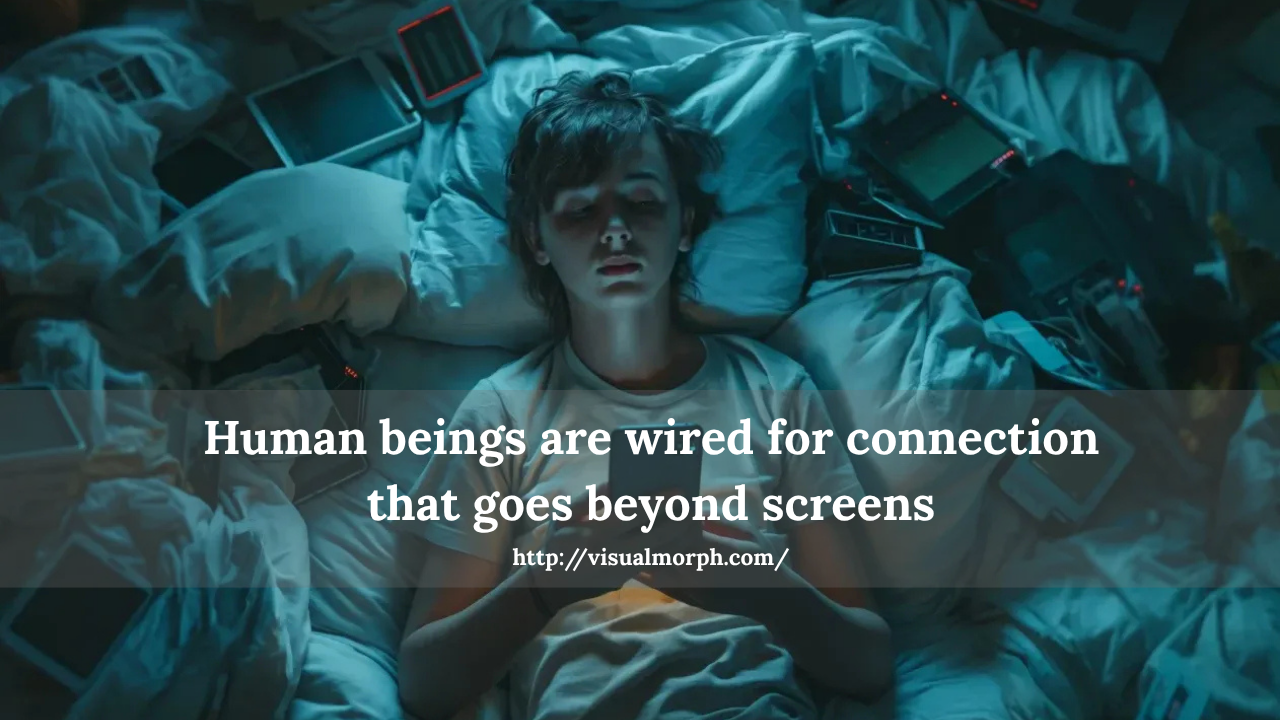
Ultimately, human beings are wired for connection that goes beyond screens. We crave authenticity, empathy, and shared presence. If we can balance our digital lives with real-life relationships, we can reclaim the depth and meaning of true connection—even in a tech-driven world.