All posts by Temp35

The Love Lag: Are Our Relationships Buffering in a Digital Age?

We live in a time of instant gratification. With a tap or swipe, we can summon food, find directions, connect with distant friends, or even start a romantic relationship. Everything is fast, efficient, and optimized—except, it seems, our ability to love deeply and meaningfully. As our digital lives accelerate, many are beginning to feel a delay in something essential: emotional connection. This modern mismatch is what some are calling “the love lag”—when relationships seem to buffer under the weight of our tech-saturated lives.

In theory, technology should bring us closer. Dating apps give us more access to potential partners than ever before, and social media helps us maintain connections across continents. But in practice, these platforms often promote quantity over quality. Swiping through endless profiles can make potential partners feel interchangeable. We may match, chat, and even meet—but something often feels missing. Real connection, it turns out, doesn’t come with a high-speed download. It takes time, attention, and vulnerability—things that are increasingly rare in the fast-paced digital world.

One of the most significant contributors to the love lag is distraction. Notifications, messages, and the pull of our screens mean we’re rarely fully present, even with those we care about most. We may be physically next to our partners but mentally somewhere else—replying to emails, checking social media, or scrolling through content. This partial presence limits the depth of our emotional interactions, turning what could be meaningful moments into fleeting glances.

Another factor is emotional avoidance. Digital communication often allows us to say just enough to stay connected without getting too close. Texting and messaging can be convenient, but they strip away tone, facial expressions, and emotional nuance. This can lead to misunderstandings or a surface-level dynamic where real feelings go unspoken. In some cases, people may even rely on digital interaction to avoid difficult conversations or vulnerability, deepening the emotional lag.

Additionally, the pressure of digital comparison plays a subtle but powerful role. Social media highlights the best moments in others’ relationships—romantic getaways, surprise gifts, picture-perfect smiles. Seeing this daily can distort our expectations and make us question the health or excitement of our own relationships. When we constantly compare our behind-the-scenes to everyone else’s highlight reel, dissatisfaction can creep in, even in strong partnerships.

But despite these challenges, the love lag is not inevitable—it’s a symptom of imbalance, and it can be addressed. Reclaiming connection in a digital age means making conscious choices. We need to prioritize screen-free time, engage in face-to-face conversations, and create rituals of presence in our relationships. That might mean putting phones away during meals, setting digital boundaries, or making time for activities that foster shared experience and emotional closeness.

Ultimately, love doesn’t run on Wi-Fi. It’s cultivated through effort, empathy, and patience. In a world obsessed with speed and efficiency, the antidote to the love lag is slowing down and tuning in. Because real love isn’t instant—it’s intentional. And no matter how fast our technology becomes, some things are still worth waiting—and working—for.

Breaking Up with Bad Tech Habits: Can We Relearn Real Connection?

In an era where technology is embedded into nearly every aspect of our lives, it’s easy to overlook how our digital habits are shaping the way we relate to one another. We scroll through social feeds during meals, check messages during conversations, and often spend more time looking at screens than into the eyes of those we care about. These patterns, while normalized, come with a cost. The question is: Can we break up with these bad tech habits and relearn how to truly connect?

Technology itself isn’t the enemy. In fact, it has opened doors to communication and connection that were unimaginable just a few decades ago. Long-distance families stay in touch with video calls, friendships flourish across continents, and romantic relationships can begin with a swipe. But when our devices begin to replace real-life experiences rather than enhance them, they start to erode the quality of our relationships.

One of the most damaging tech habits is constant distraction. Notifications, pings, and the endless lure of social media make it difficult to be present. We’ve grown used to multitasking attention—half-listening while texting, scrolling while watching TV with our partner, or posting updates in the middle of a gathering. These habits fragment our focus and diminish the depth of our interactions. Over time, this undermines emotional intimacy, leaving us feeling disconnected even when surrounded by people.

Another widespread issue is tech-dependency for emotional validation. We often turn to likes, shares, and messages for a quick hit of affirmation. While this may offer temporary satisfaction, it can lead to a cycle where digital approval starts to matter more than meaningful connection. We risk losing the ability to express ourselves authentically and seek comfort from those who truly know us, relying instead on surface-level engagement.

So, how do we begin to unlearn these patterns and rebuild real connection?

The first step is awareness. Recognizing the specific ways tech is interfering in your relationships is essential. Are you checking your phone during conversations? Do you reach for your device out of boredom or discomfort? Becoming mindful of these habits creates the space to shift them.

Next, set intentional boundaries. Simple practices like phone-free dinners, screen-free mornings or evenings, and designated times for checking emails or social media can significantly improve the quality of your interactions. Creating physical space from your devices—like leaving your phone in another room—can help you stay emotionally present.

It’s also crucial to reinvest in face-to-face communication. Make time for meaningful conversations, practice active listening, and prioritize eye contact. Relearning connection means being willing to sit with silence, awkwardness, and vulnerability—things tech often helps us avoid.

Finally, consider replacing some of your screen time with shared offline experiences. Go for a walk, cook a meal together, or engage in a hobby with a friend or loved one. These moments, however small, build the foundation for deeper, more fulfilling relationships.

Breaking up with bad tech habits isn’t about rejecting technology altogether—it’s about using it more consciously. When we take back control of our attention and presence, we make space for the kind of connection that devices can’t replicate. Real connection isn’t found in a screen; it’s felt in a moment shared, a glance held, a story told without interruption. And that’s worth unplugging for.

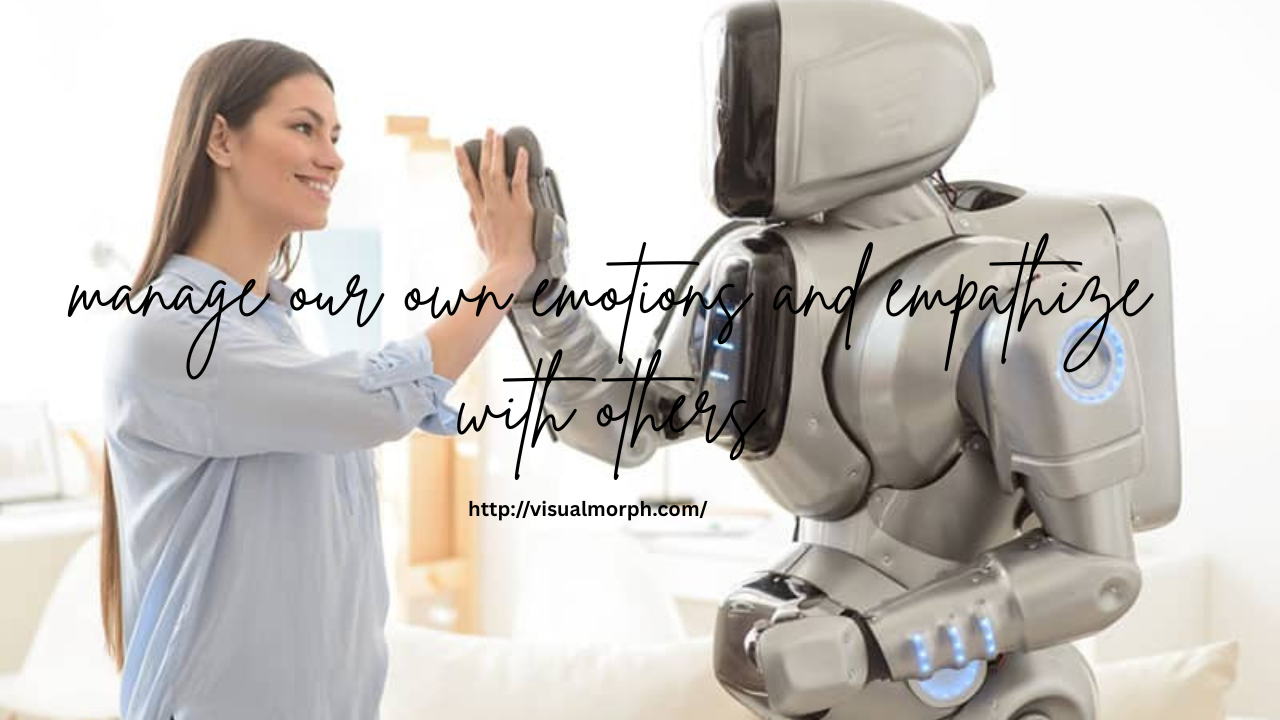
Is AI Replacing Emotional Intelligence in Our Relationships?

Artificial Intelligence is no longer just a futuristic concept—it’s a present-day reality woven into the fabric of our daily lives. From smart assistants like Siri and Alexa to AI-driven chatbots and dating algorithms, technology is increasingly stepping into roles that once required uniquely human qualities. One of the most pressing questions emerging from this shift is: Is AI replacing emotional intelligence in our relationships?

Emotional intelligence (EI)—the ability to recognize, understand, and manage our own emotions and empathize with others—has always been at the heart of healthy, meaningful relationships. It’s what helps us navigate conflict, build trust, and form deeper connections. But as AI tools become more sophisticated, simulating empathy and conversation with uncanny accuracy, we must consider whether these technologies are enhancing or eroding our ability to connect on a human level.

On the surface, AI appears to be filling emotional gaps. Many apps now offer AI-powered relationship advice, virtual companionship, and even simulated therapy sessions. Chatbots can respond with empathy, detect sentiment in messages, and tailor their responses to soothe or support the user. For those feeling isolated or struggling with communication, this can feel like a lifeline—AI that listens without judgment and offers support at any hour.

However, the emotional engagement offered by AI is fundamentally artificial. While AI can mimic empathy, it does not truly understand or feel emotion. Its responses are based on patterns, data, and programmed algorithms—not lived experiences or genuine emotional connection. Relying too heavily on these systems may lead to a distorted view of what emotional support truly entails. When people begin to turn to AI for comfort more than they do to real friends, partners, or therapists, the development and exercise of authentic emotional intelligence can stagnate.

Another concern is that AI may be creating unrealistic expectations in human relationships. Interacting with a perfectly responsive, always-available virtual entity can make real-life interactions feel frustrating or inadequate. Humans are imperfect—we miscommunicate, need time to process emotions, and aren’t always available on demand. If people become accustomed to the seamless responses of AI, they may struggle with the messiness and vulnerability required in real-world relationships.

There’s also the issue of emotional outsourcing. When AI handles everything from remembering anniversaries to crafting heartfelt messages, individuals might lose touch with the emotional labor necessary to maintain strong relationships. These small but meaningful efforts—checking in, resolving conflicts, expressing appreciation—require presence, empathy, and intentionality. If AI assumes these roles, we risk weakening the emotional muscles we need to build and sustain love.

That said, AI doesn’t have to be a threat to emotional intelligence. It can serve as a supportive tool—reminding us to check in on loved ones, helping us reflect on our feelings, or offering insights into relationship patterns. The key is to use AI to complement, not replace, our emotional capabilities.

Ultimately, emotional intelligence cannot be downloaded or automated. It’s a skill we cultivate through lived experiences, vulnerability, and human connection. In an increasingly AI-driven world, preserving our capacity for empathy, presence, and authentic interaction is more important than ever. Relationships thrive on heart, not code. Let’s make sure we don’t trade one for the other.

Algorithms vs. Authenticity: Is Tech Dictating How We Love?

In the age of swipes, likes, and carefully curated dating profiles, technology has reshaped the way we find love. Once left to chance encounters or introductions by friends, modern romance is now often mediated by algorithms. Dating apps, social media platforms, and even streaming services use predictive technology to suggest who we should date, what we should watch, and how we should present ourselves online. But as tech continues to play matchmaker, a critical question emerges: Is it enhancing our pursuit of love, or dictating it?

Algorithms are designed to optimize efficiency. In dating, this means connecting people based on shared interests, proximity, and behavioral data. Apps like Tinder, Bumble, and Hinge analyze how we swipe, what we like, and how we interact to recommend “ideal” matches. On the surface, this sounds helpful. It narrows down the overwhelming pool of potential partners and increases the chances of compatibility. Yet, beneath this convenience lies a growing concern: are these algorithm-driven interactions undermining authenticity?

The reality is that algorithms prioritize patterns, not people. They reinforce preferences and behaviors, sometimes limiting the diversity of connections we make. If a user consistently swipes right on a certain “type,” the app will continue showing more of the same—reinforcing biases and narrowing the scope of potential experiences. This creates an echo chamber of attraction, where we’re not encouraged to explore or challenge our expectations. It can turn the search for love into a data-driven loop, rather than a journey of genuine discovery.

Moreover, in a system driven by optimization, the pressure to present oneself as “match-worthy” can lead to inauthentic self-presentation. Dating profiles often highlight the most polished version of a person, curated to appeal to algorithms and human viewers alike. Photos are edited, bios are carefully worded, and interests are strategically listed. This performative aspect of dating creates a tension between who we are and who we think we need to be to attract a match. Authenticity becomes compromised in favor of digital approval.

There’s also the issue of how these platforms monetize love. Many dating apps operate on freemium models, offering basic matching for free while charging for features like advanced filters, profile boosts, and visibility enhancements. This commercialization of connection turns love into a transaction, subtly shifting the focus from meaningful relationships to gamified engagement. When swipes become currency and matches are milestones, the human aspect of dating can easily get lost.

Still, technology isn’t inherently the enemy of love. For many, dating apps and online platforms have provided access to relationships that might never have happened otherwise. They can be tools for connection—especially for those in marginalized communities, remote areas, or with limited social circles. The challenge is using these tools with intention and self-awareness.

To preserve authenticity in an algorithm-driven world, we must stay rooted in self-knowledge and emotional honesty. It means resisting the urge to chase validation through metrics and choosing vulnerability over perfection. Love, after all, is not about compatibility scores or curated profiles—it’s about real connection, built on trust, presence, and mutual understanding.

In the face of powerful algorithms, authenticity is our most valuable asset. Let’s not forget that behind every swipe is a human being, hoping for something real.

Love in the Time of Notifications: Can We Still Build Deep Relationships?

In a world buzzing with pings, dings, and alerts, our attention is constantly being pulled in a hundred different directions. Whether it’s a text message, a social media update, or a breaking news notification, our devices keep us perpetually “connected.” Yet, as we swipe, scroll, and respond, one pressing question emerges: Can we still build deep, meaningful relationships in an age of digital distractions?

Technology has undoubtedly transformed the way we communicate. From long-distance video calls to emoji-filled text conversations, we have more ways than ever to stay in touch. On the surface, it may seem like we’re closer than ever. However, many are beginning to realize that constant connectivity doesn’t necessarily equate to emotional closeness. In fact, it may be quietly eroding the very foundations of intimacy.

One of the most significant barriers to deep relationships today is divided attention. When every buzz or notification disrupts a conversation or shared moment, it sends a subtle message: “Something else is more important than you right now.” This dynamic, often unconscious, can leave partners feeling undervalued or ignored. Known as “technoference,” this intrusion of technology into personal interactions has been linked to lower relationship satisfaction and decreased emotional intimacy.

Another challenge is the illusion of intimacy created by digital communication. Sending heart emojis or tagging your partner in a romantic meme can feel like expressions of affection, but they often lack the emotional depth of face-to-face conversations. The nonverbal cues—eye contact, tone of voice, body language—that foster empathy and understanding are lost in text-based interactions. Without these, misunderstandings can arise more easily, and genuine emotional bonding can be harder to achieve.

Moreover, the addictive nature of our devices often keeps us from being fully present. Instead of engaging deeply with our loved ones, we may find ourselves distracted by endless scrolling, online content, or digital noise. Over time, this can lead to emotional distance, even when people are physically close. Real connection requires presence, and presence demands our undivided attention—something that’s increasingly difficult in a world designed to capture and fragment it.

Despite these challenges, building deep relationships in the age of notifications is not only possible—it’s essential. The key lies in intentionality. Creating boundaries around device use, such as no-phones-at-the-table rules or screen-free date nights, can help reclaim moments of undivided attention. Practicing active listening, expressing vulnerability, and carving out time for meaningful conversations are also vital steps toward fostering deeper emotional intimacy.

It’s also important to evaluate how we use technology in our relationships. Are we using it to avoid difficult conversations or to enhance communication? Are we choosing digital comfort over real connection? Reflecting on these questions can guide us in building more conscious, emotionally rich relationships.

In the end, love doesn’t require silence from the digital world—but it does require us to tune into each other. When we prioritize real connection over digital distraction, we remind ourselves—and our partners—that despite the noise of modern life, they are what truly matters. And that, more than any notification, deserves our full attention.

The Social Media Paradox: More Connected, Yet More Alone?

In an age where digital platforms dominate our daily lives, social media promises to bring people closer together. With just a few taps, we can follow the lives of friends, family, celebrities, and strangers from across the globe. We can share our thoughts, celebrate milestones, and stay updated on world events in real time. Yet, despite this unprecedented level of connectivity, a growing number of people report feeling lonelier than ever. This contradiction is what many now refer to as the “social media paradox”: being more connected, yet feeling more alone.

At its core, social media is designed to facilitate connection. Platforms like Instagram, Facebook, TikTok, and X (formerly Twitter) provide opportunities to engage with others through likes, comments, and shares. They allow users to build communities around shared interests and keep in touch with loved ones regardless of geographic distance. In theory, this should strengthen relationships and combat loneliness. But in practice, the opposite often occurs.

One reason is that social media encourages superficial interactions rather than deep, meaningful conversations. A “like” on a photo or a quick emoji response can give the illusion of engagement, but these exchanges rarely foster genuine emotional connection. Over time, these surface-level interactions can leave people craving deeper bonds, especially when real-life conversations and face-to-face time are replaced by endless scrolling and curated content.

Another key factor in this paradox is comparison. Social media platforms are built around presentation and perception. Users typically share the best parts of their lives—vacations, achievements, happy moments—rarely showing struggles, failures, or mundane realities. This curated highlight reel can create unrealistic standards and foster feelings of inadequacy. When someone is constantly exposed to the seemingly perfect lives of others, it’s easy to fall into the trap of comparison, which can fuel anxiety, self-doubt, and feelings of isolation.

Ironically, the time spent on social media can also crowd out real-world interactions. Studies have shown that the more time people spend online, the less time they tend to spend engaging in face-to-face conversations. This shift can weaken personal relationships and decrease opportunities for emotional support. Instead of nurturing close friendships, users may find themselves with hundreds of digital “friends” but few meaningful connections.

Additionally, social media can create a false sense of being left out. “Fear of missing out” (FOMO) is a common byproduct of seeing others participate in activities we weren’t a part of. This can deepen feelings of loneliness and exclusion, even if what’s being posted doesn’t reflect reality. What looks like a joyful gathering on someone’s feed might have been a fleeting moment captured between awkward silences or personal struggles.

To break free from this paradox, it’s essential to approach social media mindfully. Taking regular breaks from platforms, curating your feed to follow uplifting and authentic content, and prioritizing in-person interactions can make a significant difference. Building strong, offline relationships and practicing digital self-care help restore the balance between online presence and emotional wellbeing.

Ultimately, social media is neither entirely good nor bad—it’s how we use it that defines its impact. Connection should be about more than likes and shares; it should be about empathy, authenticity, and being truly present in each other’s lives.

Swipe Right, Disconnect Left: Technology and the Erosion of Deep Relationships

The advent of technology, particularly in the realm of relationships, has transformed how we connect, communicate, and even find love. Dating apps, social media, and instant messaging have brought unprecedented convenience to the process of meeting new people and maintaining relationships. However, this digital age of connection also poses significant challenges to forming and nurturing deep, meaningful bonds. The ease of swiping right has, in many cases, led to the erosion of the very intimacy we crave.

The Rise of Superficial Connections

Dating apps like Tinder, Bumble, and Hinge have revolutionized how people meet potential partners. While they provide a platform to connect with individuals outside one’s immediate social circle, they often reduce people to profiles—a collection of photos and a few words meant to encapsulate a person’s essence. The swiping mechanism encourages snap judgments based on physical appearance, leaving little room for genuine understanding of another’s personality, values, or emotional depth.

This commodification of connection fosters a culture of disposability. With endless options at our fingertips, it becomes easier to view relationships as temporary and replaceable. If a connection doesn’t meet immediate expectations, many are quick to move on, believing that something better might be just a swipe away. This mindset undermines the patience and commitment required to build deep and lasting relationships.

Instant Gratification vs. Genuine Effort

Technology has conditioned us to expect instant gratification in nearly every aspect of life, including relationships. A text message or a “like” on social media provides immediate validation, creating the illusion of closeness. However, these interactions often lack the depth and effort necessary for meaningful connection.

Deep relationships require vulnerability, time, and consistent effort—qualities that are increasingly overshadowed by the convenience of digital interactions. Texting and social media, while useful for staying in touch, cannot replace the richness of face-to-face conversations, where nonverbal cues and emotional presence play a vital role.

The Fear of Missing Out (FOMO)

Social media has further complicated modern relationships by amplifying the fear of missing out (FOMO). Platforms like Instagram and Facebook create a highlight reel of others’ lives, often leading to comparisons that can strain relationships. People may feel pressured to present a curated version of their lives, prioritizing how they are perceived online over the authenticity of their offline connections.

This phenomenon can erode trust and intimacy, as partners or friends may struggle to reconcile the digital persona with the real person. Instead of fostering closeness, technology often widens the gap between how we present ourselves and who we truly are.

Reclaiming Deep Connections in a Digital World

Despite its challenges, technology is not inherently detrimental to relationships. When used mindfully, it can enhance connection rather than diminish it. The key is to strike a balance between the convenience of digital communication and the richness of in-person interaction.

Prioritizing quality over quantity in relationships is essential. This means being fully present during conversations, setting boundaries around screen time, and focusing on building trust and emotional intimacy. Engaging in activities that foster connection—such as shared hobbies or deep conversations—can help counteract the superficiality of digital interactions.

Conclusion

While technology has revolutionized the way we connect, it has also introduced challenges that threaten the depth of our relationships. The culture of instant gratification, superficial connections, and FOMO has made it harder to nurture meaningful bonds. By being intentional in how we use technology, we can reclaim the depth and intimacy that form the foundation of truly fulfilling relationships.

The Digital Divide: Are Our Screens Hurting Human Connection?

In an age where digital technology dominates nearly every aspect of our lives, the question arises: are our screens bridging or breaking our human connections? While technology offers unprecedented convenience, its pervasive presence in our daily lives has sparked debates about whether it strengthens relationships or creates a digital divide that alienates us from each other.

The Paradox of Connectivity

Technology has transformed the way we interact. Smartphones, social media, and messaging platforms have made it easier than ever to stay connected, regardless of physical distance. Yet, this constant connectivity often comes at the expense of meaningful, in-person interactions. Instead of engaging deeply with those around us, many of us find ourselves glued to our screens, scrolling through curated feeds, replying to endless notifications, or engaging in superficial conversations.

This paradox highlights the difference between connection and true intimacy. While technology enables us to communicate more frequently, the quality of those interactions often suffers. Virtual communication can lack the depth and nuance of face-to-face interactions, where body language, tone of voice, and emotional presence play critical roles in fostering genuine understanding.

The Erosion of Presence

One of the most significant impacts of screen dependency is the erosion of presence. Consider a scenario where a family sits together at the dinner table, each member absorbed in their device. While physically present, their minds are elsewhere—lost in the digital realm. This phenomenon, often referred to as “phubbing” (phone snubbing), undermines the essence of connection: being fully present and engaged.

The constant allure of our screens pulls us away from the here and now, making it challenging to build and maintain deep relationships. Over time, this lack of presence can lead to feelings of isolation and loneliness, even when surrounded by others.

The Illusion of Social Media

Social media is perhaps the most glaring example of how technology can both connect and divide us. Platforms like Instagram, Facebook, and Twitter offer the illusion of connection, allowing us to share our lives and stay updated on others’ activities. However, the curated nature of these platforms often leads to superficial interactions, such as likes and comments, which lack the emotional depth of genuine conversations.

Moreover, excessive use of social media can foster feelings of inadequacy and envy. When we compare our lives to the highlight reels of others, it can strain relationships and hinder our ability to connect authentically. Instead of focusing on real connections, we may find ourselves chasing validation through likes and shares.

The Path Forward: Striking a Balance

While screens have undeniably impacted human connection, it is possible to navigate the digital world without sacrificing meaningful relationships. The key lies in balance and intentionality.

Setting boundaries around screen time can help us reclaim moments for face-to-face interactions. Designating “tech-free” zones or times, such as during meals or family gatherings, encourages deeper engagement with those around us. Additionally, prioritizing in-person conversations and practicing active listening can strengthen bonds in ways that digital communication cannot.

In conclusion, while screens have the power to connect us across distances, they can also create a divide when misused. By being mindful of how we engage with technology, we can preserve and even enhance the human connections that truly enrich our lives.

Disconnected by Connection: How Technology Shapes Our Ability to Relate

In today’s world, technology is an inseparable part of our daily lives. From smartphones and social media to virtual meetings and texting, we are more connected than ever before. However, as we immerse ourselves in digital interactions, there is growing concern that this constant connectivity may paradoxically be hindering our ability to form deep, meaningful relationships. The question arises: is technology shaping our ability to relate, and if so, how?

Superficial Interactions and Emotional Disconnect

The digital era has revolutionized the way we communicate. We can now instantly send messages, share photos, and interact with others across the globe in real-time. While this level of convenience is undoubtedly a breakthrough, it has also led to a shift in how we experience and perceive relationships. Texting and social media exchanges, often brief and transactional, replace more emotionally rich face-to-face interactions. Emojis and likes may convey surface-level emotions, but they lack the depth of physical presence and nonverbal communication that are essential for genuine connection.

These surface-level interactions can lead to emotional disconnect, where people feel less emotionally invested in their relationships. This is evident in the rise of “phubbing” (phone snubbing), where individuals prioritize their devices over the people they are with. In such cases, while technology keeps us connected, it inadvertently creates a barrier that prevents deeper connection, leaving many people feeling isolated despite being constantly online.

The Illusion of Intimacy

Social media platforms have transformed the way we maintain relationships, often giving the illusion of intimacy. Platforms like Facebook, Instagram, and Snapchat allow us to broadcast our lives and maintain contact with hundreds, sometimes thousands, of “friends” or “followers.” But how many of these relationships are truly meaningful? While social media makes it easy to keep up with people’s lives, the nature of these platforms promotes a curated version of reality that can distort perceptions of closeness.

The constant stream of updates can create a false sense of connection, where we feel we are keeping up with others’ lives without actually engaging in meaningful conversations. This digital voyeurism replaces genuine effort and investment required for sustaining deep relationships, leaving many feeling emotionally unfulfilled. Technology can give us the tools to connect, but it doesn’t guarantee the quality of those connections.

Diminished Empathy and Attention Span

Another concern about technology’s influence on our ability to relate is its impact on our attention span and empathy. The fast-paced nature of the digital world, driven by quick likes, short videos, and instant responses, conditions our brains to expect rapid gratification. This conditioning can make it difficult for us to engage in slow, meaningful conversations or be present in the moment when interacting with others.

Studies suggest that our growing reliance on screens can reduce our ability to empathize with others. Nonverbal cues, like facial expressions and body language, which are crucial for understanding and responding to emotions, are often absent in online communication. As a result, we may become less attuned to the emotional needs of others, weakening our ability to nurture close relationships.

Reclaiming Connection in a Digital World

Despite the challenges technology presents, it is possible to use it in ways that enhance, rather than hinder, our relationships. The key is balance. Using technology to maintain long-distance relationships or connect with those we can’t physically meet is undoubtedly valuable. However, it’s essential to recognize when to put down the phone and be present in the moment. Prioritizing face-to-face conversations, practicing active listening, and setting boundaries around screen time can help us preserve the human connection that technology often dilutes.

In conclusion, while technology has transformed the way we relate to one another, it is essential to navigate this digital landscape mindfully. True connection requires more than just being digitally available—it demands emotional presence, empathy, and genuine engagement.

How Technology Is Shaping Our Relationship Skills

In the age of smartphones, social media, and instant messaging, our relationship with technology has become intricately woven into the fabric of our daily lives. While technology has brought us closer in many ways, enabling communication across vast distances and facilitating connections that might otherwise be impossible, it has also introduced a paradox. The same tools that promise to connect us are, in some ways, making us more disconnected than ever before, particularly when it comes to our interpersonal relationship skills.

The Illusion of Connection

Social media platforms, messaging apps, and video calls offer us a sense of connection that is often more superficial than substantive. We might have hundreds of “friends” online, yet struggle to maintain deep, meaningful relationships in our offline lives. The ease with which we can communicate through screens has led to a situation where quantity often trumps quality. We engage in frequent, but shallow, interactions—quick likes, brief comments, and short messages—that lack the depth and emotional richness of face-to-face conversations.

This superficiality can erode our ability to build and maintain strong relationships. Real-life relationships require more than just exchanging words; they demand time, patience, empathy, and the ability to navigate the complexities of human emotions. When our primary mode of interaction is through screens, we may lose the opportunity to develop these essential skills.

The Decline of Empathy

Empathy, the ability to understand and share the feelings of another, is a crucial component of healthy relationships. However, studies suggest that our increasing reliance on digital communication may be leading to a decline in empathetic abilities, particularly among younger generations who have grown up in a tech-saturated world.

When we communicate online, we often miss out on important non-verbal cues—body language, tone of voice, facial expressions—that are vital for understanding others’ emotions. This can lead to misunderstandings and a lack of emotional connection. Moreover, the impersonal nature of digital communication can make it easier to disengage from the emotional impact of our words. It’s not uncommon for people to say things online that they would never say in person, leading to conflicts and a breakdown in relationships.

The Impact on Conflict Resolution

Conflict is an inevitable part of any relationship, but how we handle it can determine the strength and longevity of our connections. Unfortunately, technology has altered the way we approach conflict. The anonymity and distance provided by screens can lead to more aggressive behavior, as people feel emboldened to say things they wouldn’t in face-to-face interactions. Additionally, the asynchronous nature of digital communication—where messages can be sent and responded to at any time—can delay conflict resolution, allowing issues to fester rather than be addressed promptly.

On the flip side, the instant gratification culture fostered by technology can make us impatient and less willing to work through problems. We may be more inclined to end relationships or “ghost” someone rather than engage in the difficult but necessary conversations required to resolve conflicts.

Striking a Balance

Technology is an integral part of modern life, and it’s unrealistic to suggest we abandon it altogether. However, it’s essential to recognize the ways in which it may be shaping our relationship skills and take steps to mitigate its negative effects. Setting boundaries around screen time, prioritizing face-to-face interactions, and being mindful of how we communicate online are all strategies that can help us maintain strong, healthy relationships in the digital age.

Ultimately, while technology can enhance our connections, it should not replace the deeper, more meaningful aspects of human interaction. By striking a balance, we can ensure that our relationships remain rooted in empathy, understanding, and genuine connection, rather than becoming casualties of our increasingly digital world.