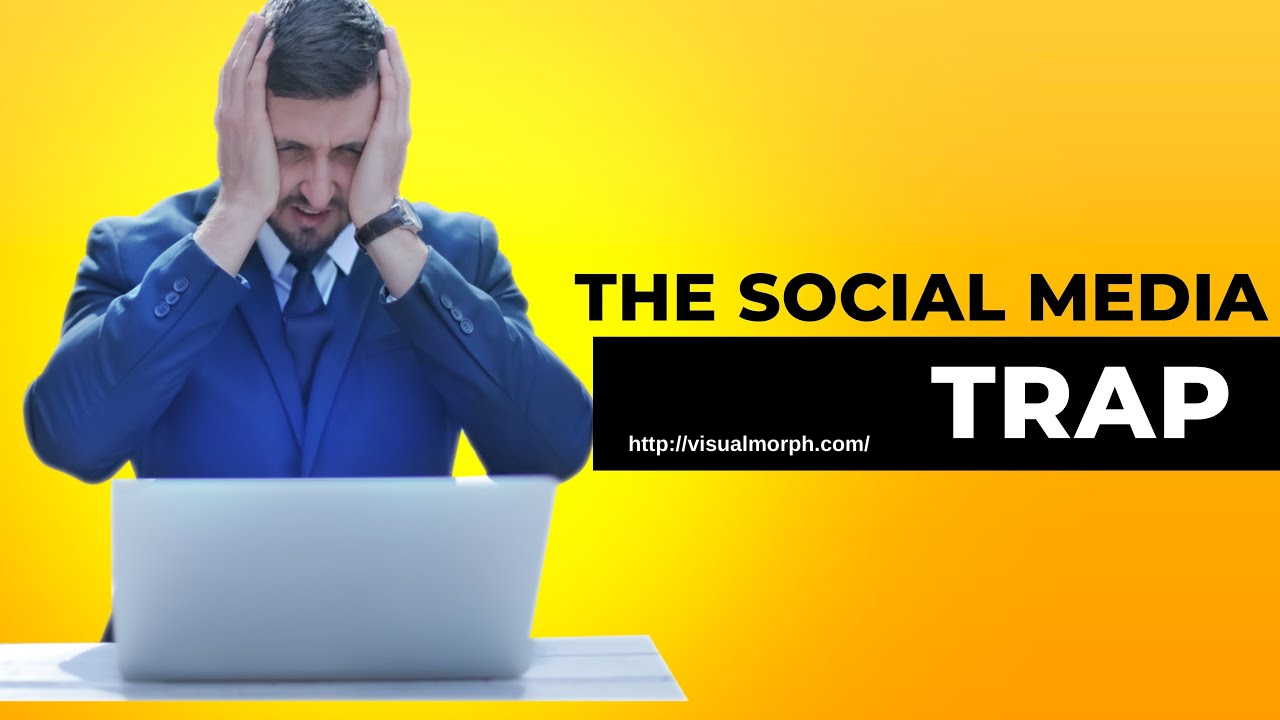
At first glance, social media feels like the ultimate tool for connection. With one tap, we can message a friend, comment on a post, or share a moment of our lives with hundreds of people. Yet behind the constant activity, many are discovering a painful truth: the more we rely on social media for closeness, the more disconnected we often feel. For individuals navigating addiction recovery or mental health challenges, this trap can quietly undermine healing.
The Illusion of Connection
Social platforms promise friendship, community, and belonging. However, the majority of interactions online remain surface-level. A like or a brief comment may provide a momentary sense of validation, but it does not carry the same weight as meaningful human presence. Over time, this digital illusion of connection can leave people feeling empty and unseen.
For those in recovery, this gap between online approval and real support can be especially harmful. Recovery thrives on accountability, trust, and vulnerability. These qualities are difficult to nurture through quick messages or filtered images. What appears like connection on a screen often fails to provide the depth needed to sustain long-term healing.
How Social Media Impacts Mental Health
The trap of social media is not only emotional. It can directly impact mental health. Constant comparison to curated posts often fuels anxiety, depression, and feelings of inadequacy. Studies consistently show that heavy social media use can increase loneliness rather than decrease it.
For individuals in treatment or early recovery, these pressures may heighten cravings, lower self-esteem, and increase the risk of relapse. Instead of feeling supported, many find themselves questioning their worth or isolating further. Recognizing these patterns is an important step in protecting mental well-being.
Why Authentic Connection Matters in Recovery
Healing from addiction is about more than abstaining from substances. It is about rebuilding a life filled with purpose, faith, and meaningful connection. Authentic relationships provide the stability and encouragement that digital interactions cannot match. Sitting with a supportive peer, sharing struggles in group therapy, or leaning into a faith-based community creates the type of connection that fosters real change.
At Visual Morph, we integrate this understanding into every aspect of care. Through inpatient and outpatient programs, holistic healing practices, and faith-based support, we help individuals rediscover the power of genuine human connection. This approach ensures that treatment addresses the whole person: body, mind, and spirit.
Practical Steps to Break Free from the Trap
Escaping the cycle of digital disconnection requires intentional effort. Here are some steps that can help:
- Set boundaries on screen time. Limiting usage reduces reliance on online validation.
- Prioritize face-to-face conversations. Even short in-person connections build stronger emotional bonds.
- Join a support group. Whether faith-based or community-driven, these spaces encourage honesty and accountability.
- Practice digital mindfulness. Be intentional about how and why you use social media rather than scrolling out of habit.
These habits not only strengthen mental health but also create the foundation for lasting recovery.
Moving Toward Lasting Healing
The social media trap is subtle, but its effects are powerful. What begins as a way to connect can end in deeper feelings of disconnection and isolation. For those seeking freedom from addiction, recognizing this cycle and choosing authentic, in-person support is a critical step forward.
At Visual Morph, we understand that true healing happens in the context of real relationships, holistic care, and compassionate guidance. If you are ready to move beyond digital disconnection and discover meaningful pathways to recovery, we are here to walk with you every step of the way.
Reach out today to begin your journey toward lasting healing and authentic connection.